politics
One Supreme Court Case Could Reshape Decades of Civil Rights Precedent
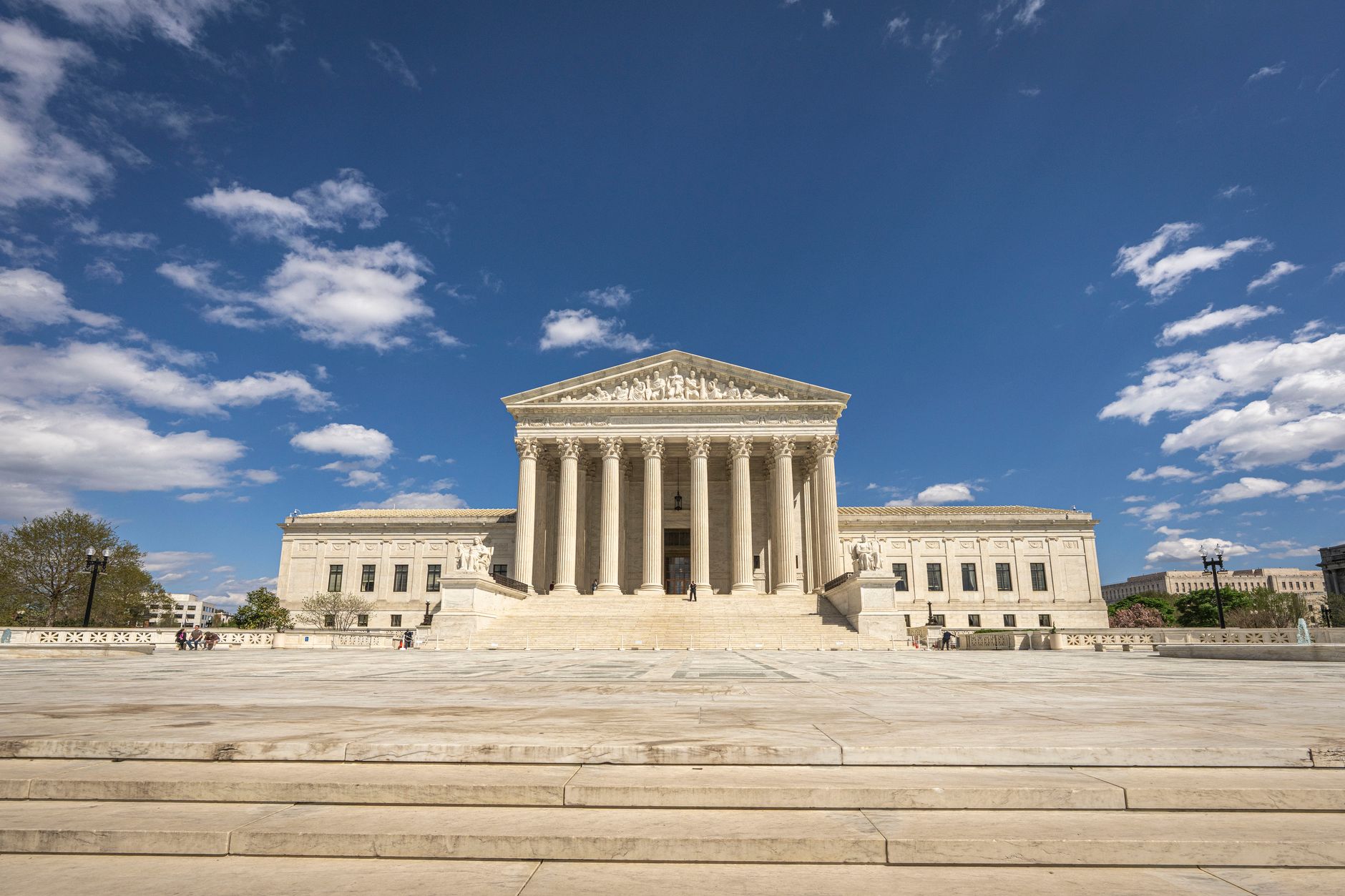
Opinion. A commentary carried by the Yakima Herald-Republic, headlined "The Supreme Court could deal a death blow to civil rights precedent," argues the current Court is prepared to roll back long-standing civil rights doctrine. One case, by that framing, could do the damage. The trouble is that the commentary as linked does not name the case, the statute, or the specific precedent in play — and that gap matters.
What is the commentary actually claiming?
The headline asserts a "death blow" is possible. That is a prediction about outcome, not a report of one. Readers searching for the underlying ruling will not find a docket number, a circuit split, or a quoted passage from an opinion in the material available. A claim that sweeping should come with a citation.
Why does it matter which precedent is at stake?
Civil rights law is not one monolithic rule. It spans voting rights, housing, employment, and equal-protection doctrine built case by case since Brown v. Board of Education. A ruling narrowing one doctrine does not automatically touch another. Commentary that treats "civil rights precedent" as a single target risks conflating distinct bodies of law for effect rather than clarity.
How does the Supreme Court actually overturn precedent?
The Court does not simply vote to discard a prior ruling. It applies stare decisis — the presumption that past decisions stand — and explains, case by case, why a prior holding was "egregiously wrong," unworkable, or built on discarded factual premises, as the Court itself has framed the standard in recent opinions. That process is slower and more documented than a single alarming headline suggests.
What does federalism have to do with this debate?
Much of the fight over "civil rights precedent" is really a fight over which level of government enforces which right — a tension explained in Quote Conservative's federalism primer. State courts, including Wisconsin's handling of a sitting judge's law license, show how state and federal authority can collide over the same underlying rights questions long before the U.S. Supreme Court ever takes a case.
What should readers watch for next?
- The actual case name, docket number, and circuit of origin before accepting a "death blow" framing.
- Whether the commentary is describing a pending petition, a granted cert, or decided opinion — those are very different stages.
- Which specific statute or constitutional clause is implicated — Title VII, the Voting Rights Act, and equal-protection claims each have separate precedent lines.
- Any dissent language, since dissents often preview how a doctrine might be narrowed in future terms.
Glossary
- Precedent: A prior court ruling used to decide similar future cases.
- Stare decisis: Latin for "to stand by things decided" — the doctrine favoring adherence to precedent.
- Civil rights precedent: Shorthand for the body of case law interpreting statutes and constitutional provisions barring discrimination; it is not a single ruling.
Until the underlying case is identified, the strongest honest reading of the commentary is a warning, not a verdict.
Questions
Which specific case does the commentary say threatens civil rights precedent?
The available commentary headline does not name a specific case, docket number, or statute.
Has the Supreme Court already ruled, or is this a warning about a future decision?
The source material does not specify whether a ruling has been issued or is pending.