politics
What We Know About the Supreme Court Misquote Imperiling Gun Laws
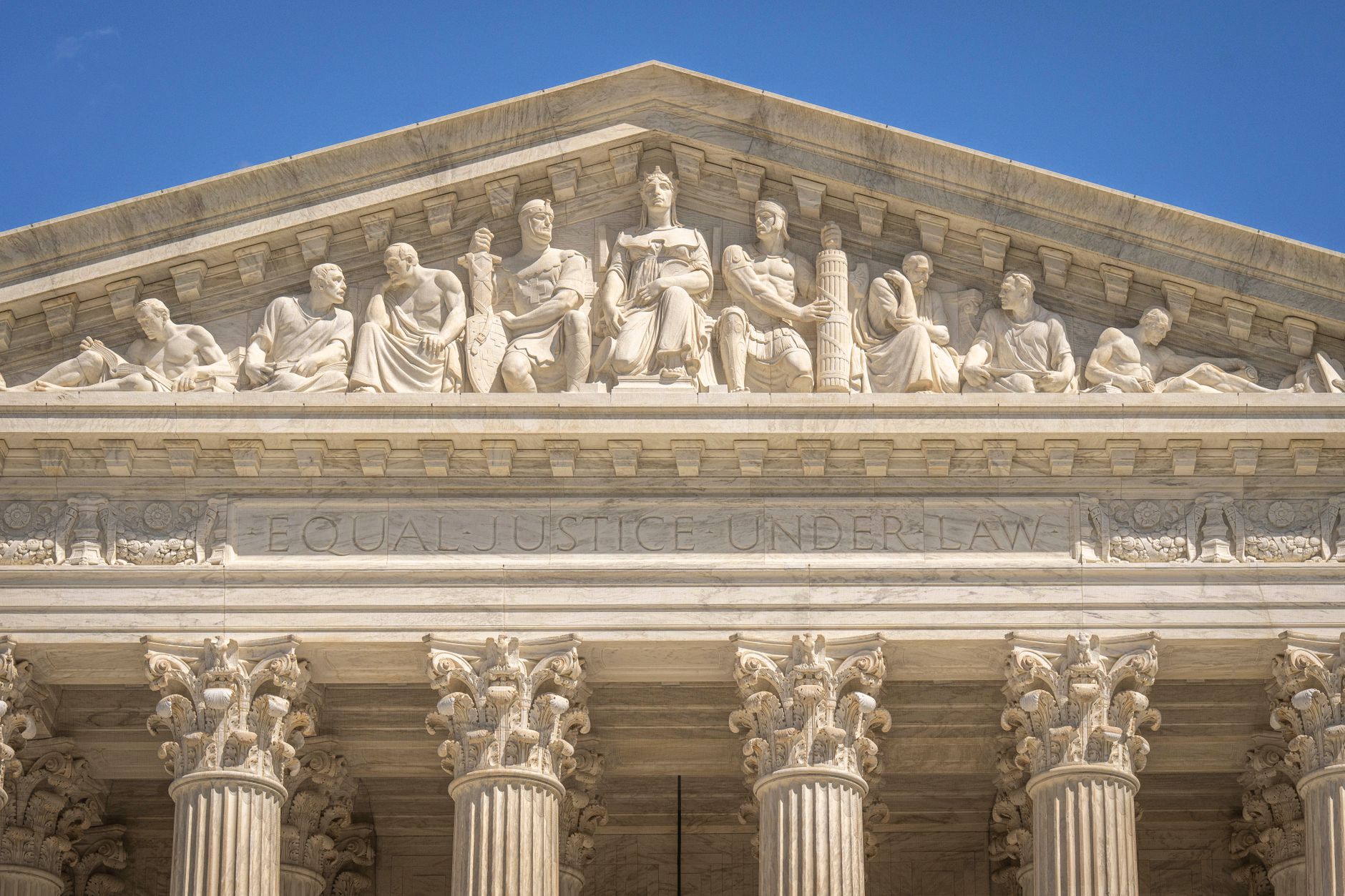
Opinion. The New York Times reported that a misquoted line attributed to a Supreme Court justice has become a live issue in litigation over gun restrictions, according to the paper's own reporting. The paper's own headline frames the stakes directly: "How a Misquote by a Supreme Court Justice Imperils Gun Restrictions."
What did the New York Times report?
The Times published a story under the headline "How a Misquote by a Supreme Court Justice Imperils Gun Restrictions," according to the Google News listing for the piece. The headline itself makes the claim: a line of text attributed to a justice, and apparently quoted inaccurately somewhere in the legal record, is now being cited by litigants or lower courts in disputes over gun restrictions. Beyond that headline framing, the full text of the Times report was not available to this desk at publication. Readers who want the complete account of which justice, which case, and which line is in dispute should consult the Times directly.
What is a misquote in a Supreme Court opinion?
A misquote, in the legal sense the Times headline invokes, is a situation where a line attributed to a judge or justice — whether lifted from an opinion, a transcript, or a secondary source — does not match what was actually written or said. In ordinary writing, a misquote is an editing error. In appellate litigation, a single sentence can function as a hook that lower courts, litigants, and legislators hang entire arguments on. If that sentence is wrong, every argument built on it inherits the error.
Why would a misquote affect gun restrictions?
Second Amendment litigation increasingly turns on close textual readings of prior opinions — what a justice said, and exactly how, often becomes the test lower courts apply when deciding whether a restriction can stand. The Times headline suggests that a misattributed or inaccurately rendered line has been treated as authoritative in that chain of reasoning, and that correcting it, or even surfacing the error, could change how courts weigh the restrictions in question. That is the claim as the Times has framed it; this desk has not independently verified the underlying case record and is relying on the paper's framing.
What does this reveal about how precedent is built?
Courts build precedent by citation — one opinion quoting another, lower courts quoting the Supreme Court, parties quoting both. Quote Conservative's own explainer on constitutional structure, Understanding Federalism: A Concise Guide, lays out how authority in the American system is supposed to flow from text and structure, not from loose paraphrase. A misquote exploits the same citation machinery that normally disciplines judicial reasoning. If a sentence gets repeated often enough across briefs and opinions, it can calcify into settled law even when the original source said something narrower, or something else entirely.
That is the uncomfortable possibility the Times headline raises: that an error, once embedded in enough citations, is harder to dislodge than the truth would have been to establish in the first place.
What should readers watch for?
- Whether the Times identifies the specific case and justice involved, and whether any party files a motion citing the error.
- Whether lower courts that relied on the disputed line revisit their rulings once the discrepancy is flagged.
- Whether gun-rights or gun-control advocacy groups treat the correction as a reason to revisit pending litigation.
- Whether the Supreme Court itself issues any clarification, correction, or footnote addressing the discrepancy.
Glossary
Misquote — A quotation that does not accurately reflect the original text or spoken statement it claims to represent.
Precedent — A prior court decision that guides how later, similar cases are decided.
Second Amendment litigation — Court cases testing whether a specific gun law or restriction is constitutional under the right to keep and bear arms.
Citation chain — The sequence of court opinions and briefs that quote and re-quote earlier rulings, which can spread an error if the original quotation was wrong.
This desk will treat the Times' full report as the authoritative account of which justice, which opinion, and which gun restrictions are directly affected, and will update coverage once more of the underlying case record is public.