news
Supreme Court Chooses Cases Through Discretionary Certiorari Review
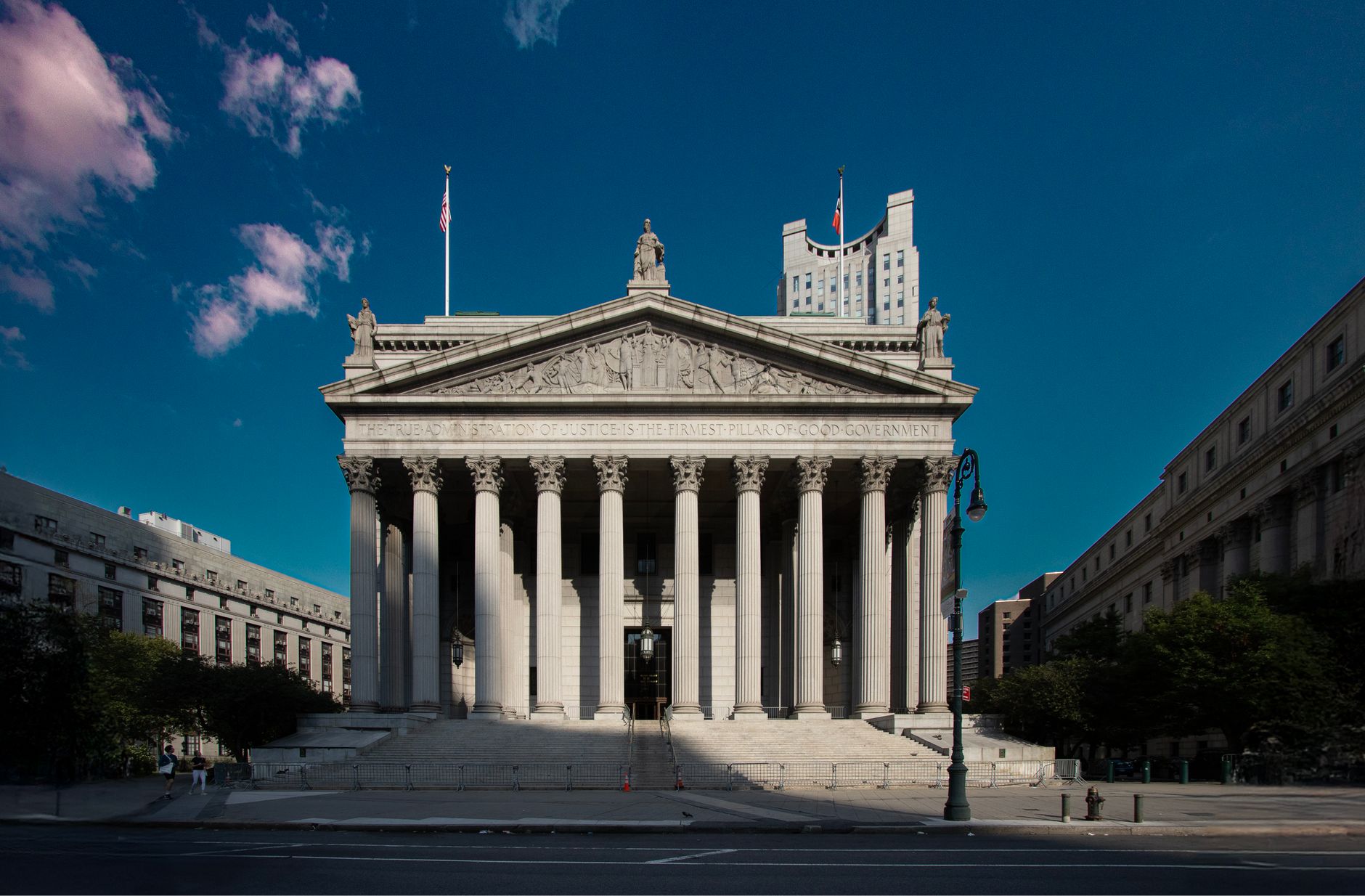
Opinion. The U.S. Supreme Court does not hear every case that comes knocking. It hears the ones nine justices — or more precisely, a working minimum of four — decide are worth the Court's time, through a discretionary process known as the writ of certiorari, as laid out in a certiorari explainer from Quartz.
What Is A Writ Of Certiorari?
A litigant who loses in a lower federal appeals court or a state's highest court can petition the Supreme Court to review the decision. The Court is not obligated to accept. Most petitions are denied, and a denial carries no legal meaning about who was right below — it simply means the Court declined to take the case up. That discretion is the hinge on which the entire federal appellate structure swings.
Why Do Four Justices Decide, Not Nine?
The Court's internal practice requires only four justices to agree that a case merits review before certiorari is granted — a bare minority, not a majority of the full bench. That threshold means a handful of justices can set the national docket even when a majority would rather leave a lower ruling undisturbed. Supporters call this a safety valve that lets the Court intervene on urgent constitutional questions without waiting for consensus. Critics counter that it hands outsized influence to whichever four justices happen to agree, with no public explanation required.
How Does This Differ From State Supreme Courts?
State high courts operate under their own rules, and the contrast matters for anyone trying to understand American federalism, as this outlet's own explainer on federalism lays out. State supreme courts answer to state constitutions and state procedural rules, not the U.S. Supreme Court's certiorari standards. Wisconsin's own high court illustrated that independence recently when it held off on suspending Judge Hannah Dugan's law license while related proceedings continued — a decision made entirely within Wisconsin's own judicial framework, with no certiorari pathway required because no federal question was presented for U.S. Supreme Court review.
Why Does The Process Favor Circuit Splits?
The Court has long signaled that disagreement among federal appeals circuits on the same legal question is among the strongest reasons to grant certiorari — a split means the same federal law means different things in different parts of the country until the Supreme Court resolves it. That practical reality shapes which cases rise to the top of the pile, regardless of how significant the underlying dispute feels to the parties involved.
What Should Reform Look Like?
The discretionary model has survived largely unchanged for decades, and defenders argue it lets the Court focus finite resources on genuinely unsettled law. But a process that can be triggered by four votes, decided without public reasoning, and applied unevenly across circuits deserves more scrutiny than it typically gets. Readers trying to understand why their case — or their state's case — never reached Washington should start with that four-vote threshold, not with assumptions about merit.
Questions
How many justices must agree to grant certiorari?
By long-standing Supreme Court practice, a minimum of four justices must vote to grant certiorari before a case is accepted for review.
Does a denial of certiorari mean the lower court was right?
No. A denial carries no legal judgment on the merits; it only means the Supreme Court declined to review the case.