politics
Supreme Court Rejects DEI and Gun 'Sensitive Places' Cases in 2026
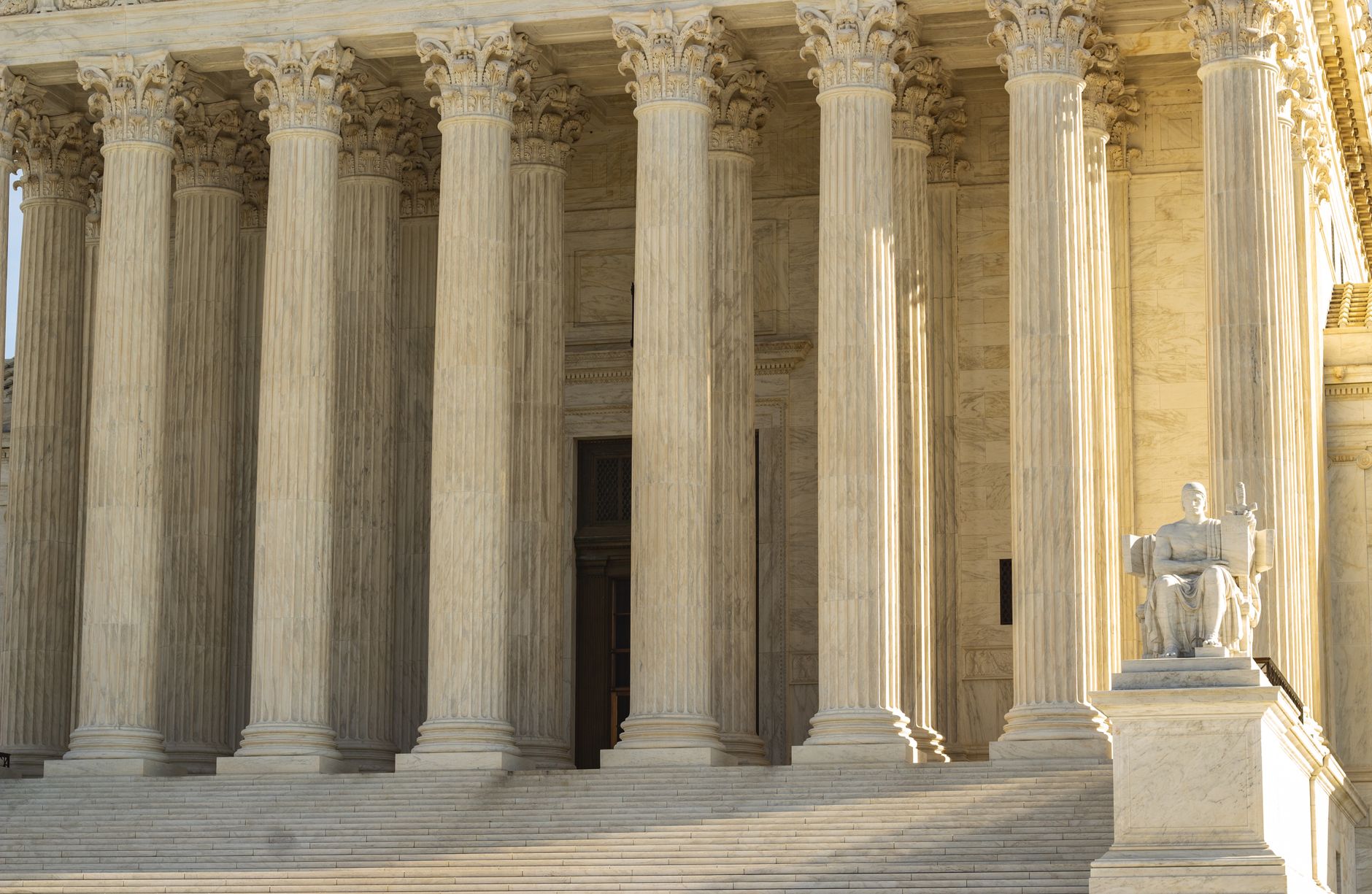
The Supreme Court turned down a group of DEI-related disputes and a Second Amendment challenge to state laws banning firearms in "sensitive places," according to SCOTUSblog's reporting on the justices' order list. Both sets of cases exit the docket without a merits ruling, meaning the lower-court outcomes in each dispute stand.
What did the justices actually decide?
Nothing on the merits. A denial of certiorari is not a ruling that the DEI policies at issue are lawful or that the sensitive-places gun restrictions are constitutional. It simply means four of the nine justices did not vote to grant review this term. The practical effect, per SCOTUSblog's order-list writeup, is that whatever the courts of appeals decided below now controls in those circuits — full stop, with no national rule set.
Why does the gun case matter even though the Court passed on it?
Since New York State Rifle & Pistol Association v. Bruen (2022), states have written laws designating certain locations — parks, transit, government buildings — as "sensitive places" where firearms can be restricted even for licensed carriers. Litigants have pushed back, arguing some of these designations sweep too broadly and effectively nullify the right to carry recognized in Bruen. By declining this challenge, the Court leaves that line-drawing fight to the circuits for now, which means carry rights can look different depending on which state — and which appellate circuit — a person is standing in.
What were the DEI disputes actually about?
SCOTUSblog's order-list report groups them simply as "DEI-related disputes" without detailing the specific employment, contracting, or education claims at issue. Readers wanting docket-level specifics should consult the SCOTUSblog item directly, which is the originating account of this round of orders.
Does leaving these splits alone help or hurt either side?
Argue it either way. Gun-rights advocates can note the Court has still not drawn a firm national boundary on how far "sensitive places" laws can reach, leaving broad state latitude intact in jurisdictions that favor restriction. DEI critics can note the opposite: unresolved circuit splits mean employers and schools in different regions operate under different legal exposure for the same kinds of programs. Neither camp got a clean win or loss — they got silence, which is its own kind of ruling by inaction.
Timeline
- 2022 — Bruen requires states to justify firearm restrictions against historical tradition, spawning the current wave of "sensitive places" litigation.
- 2026 Term — The Court's order list this term declines review of the sensitive-places challenge and the grouped DEI disputes, per SCOTUSblog.
What to watch
- Whether a cleaner sensitive-places case, with a sharper circuit split, draws four votes for cert in a future order list.
- Whether any of the denied DEI disputes return to the Court after further development in the lower courts.
- How state legislatures respond to the lack of a national gun-law standard — expect both tightening and loosening in different statehouses.
- Whether federalism itself becomes the louder argument in future petitions, since the Court's inaction keeps state-by-state variation alive; see this outlet's related explainer on how federalism shapes these splits.
Opinion.
Questions
What happens when the Supreme Court denies certiorari?
The case is not reviewed on the merits, and the ruling from the lower court — typically a federal court of appeals — remains in effect in that circuit.
What is a 'sensitive places' gun law?
It's a state restriction on carrying firearms in specific locations, such as parks or transit, that courts have examined for consistency with the historical-tradition test set out in the Supreme Court's 2022 Bruen decision.