politics
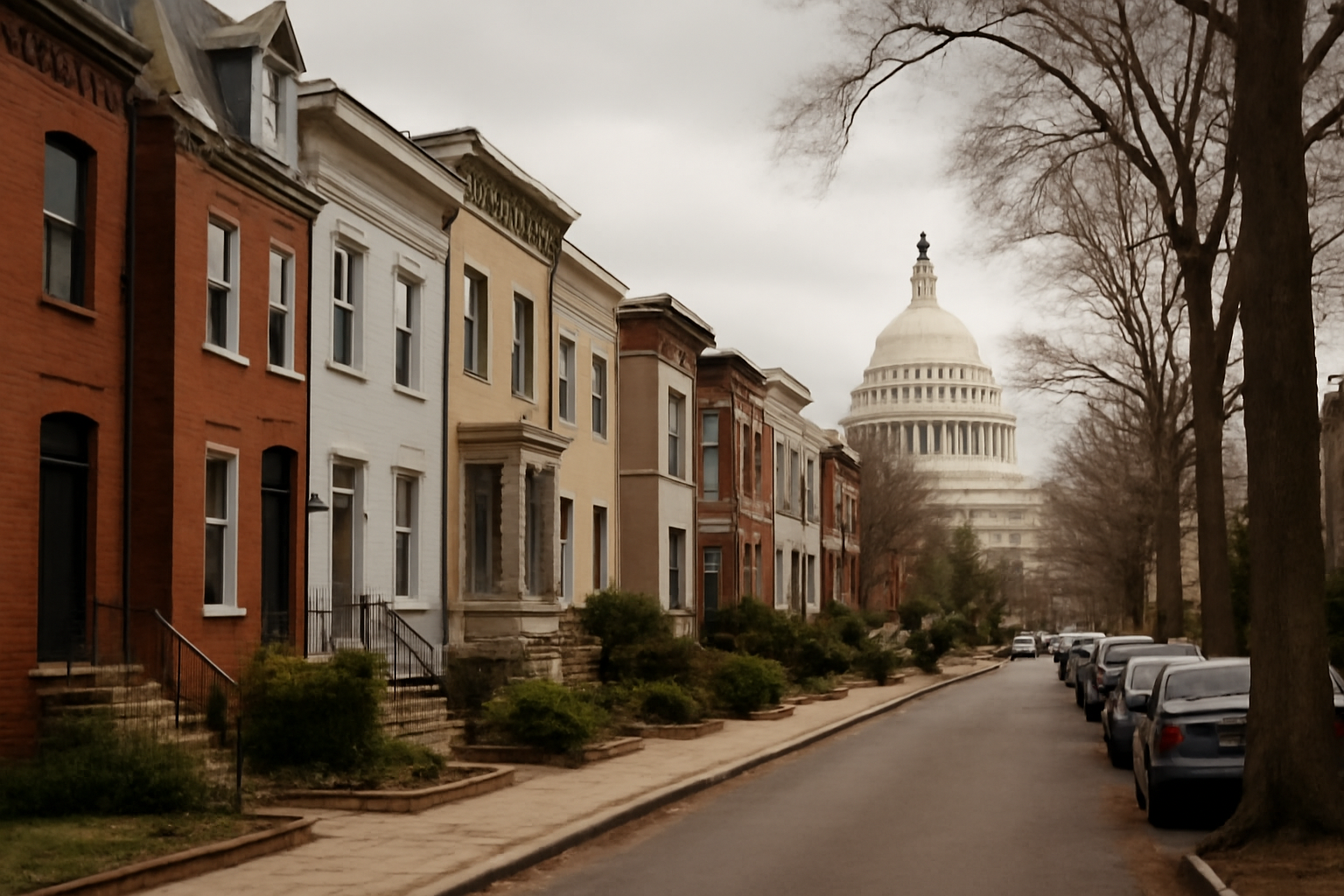
DC Mayoral Race Puts Affordability, Federal Role Center Stage
Opinion
Candidates running to lead the District of Columbia are once again arguing over two questions that never fully separate in D.C. politics: the cost of living and how much control Congress should exert over local decisions, according to a report from The Hoya, Georgetown University's student newspaper. The outlet's coverage frames the mayoral forum around affordability and federal intervention without breaking out which candidates said what or which figures they proposed.
What Did The Hoya's Coverage Actually Capture?
The published account identifies the topic — affordability paired with federal intervention — but stops short of attaching numbers, rent thresholds, or named policy proposals to individual candidates. That gap matters. D.C. residents deciding this race deserve line-item answers on rent, zoning, and small-business costs, not just the broad categories a debate night produces. Until a fuller transcript or additional reporting surfaces, voters are working from a topic list rather than sourced commitments.
Why Does Federal Intervention Keep Coming Up in D.C. Races?
Every mayoral cycle in the District runs into the same structural fact: Congress holds constitutional authority over D.C. affairs that no other American city answers to, a dynamic laid out in Quote Conservative's own federalism explainer. That imbalance turns local debates — affordability included — into arguments about jurisdiction as much as policy. A candidate's housing plan means little if congressional review can reshape or block it, and D.C. voters have learned that the hard way over multiple election cycles.
Is Affordability a Local Problem or a Federal One?
The honest answer is both, which is why skepticism is warranted when a candidate promises sweeping relief without naming the federal constraints in the way. D.C.'s budget authority and some of its zoning and revenue decisions pass through congressional review in ways no mayor can unilaterally override. An affordability platform that doesn't account for that ceiling isn't a plan — it's a talking point, and The Hoya's coverage doesn't indicate any candidate closed that gap on stage.
What Should D.C. Voters Watch For Next?
Reporting like The Hoya's is a starting point, not a finish line. Voters weighing this race should press candidates for specifics: proposed rent thresholds, housing-unit targets, and a plain answer on which federal restrictions they would actually fight to change versus which ones they would work around. Talking about "affordability" and "federal intervention" in the same debate is easy; producing a plan that survives Congress's oversight of the District is not. Follow-up reporting — and whether candidates answer specifics on the record — will say more than the forum itself did.
Questions
Why does the federal government have influence over D.C. mayoral policy?
Washington, D.C. is not a state, and Congress retains constitutional authority over district affairs, meaning local budget and policy decisions can face federal review that no other U.S. city faces.
Did The Hoya's report name which candidates support specific affordability policies?
The available report identifies affordability and federal intervention as debate topics but does not attribute specific policy figures or proposals to individual candidates.