politics
Washington — Supreme Court Clears DHS Immigration Database Overhaul
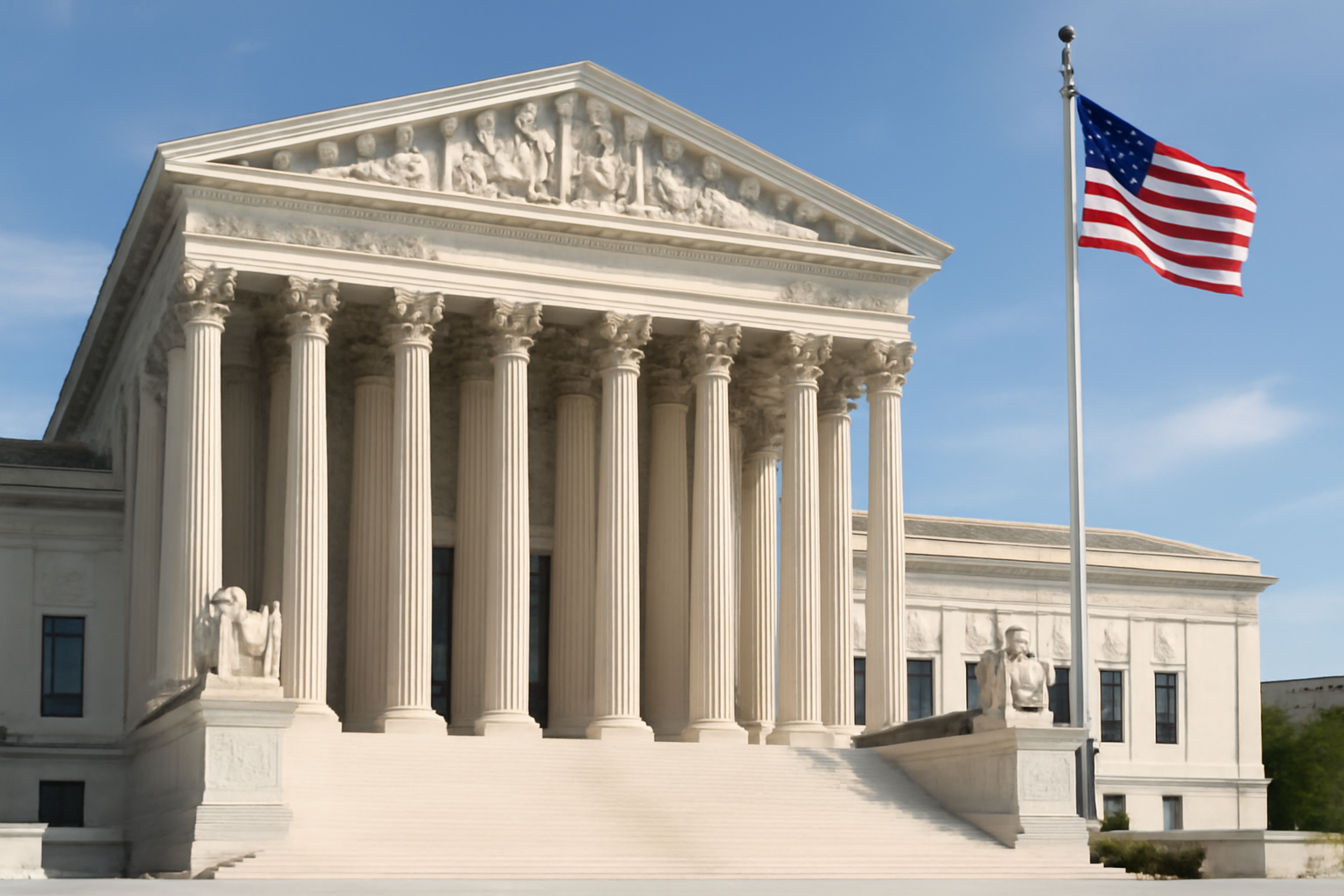
Opinion. The Supreme Court, over dissents from its liberal justices, has allowed the Department of Homeland Security to proceed with an overhaul of the federal immigration database used in voter eligibility checks, clearing the way for the Trump administration to expand citizenship-verification efforts before the midterm elections, according to The Hill's reporting on the order.
What did the Supreme Court actually allow DHS to do?
The order permits DHS to move forward with changes to the immigration database that election officials use to cross-check voter rolls for citizenship status. The Hill reports the ruling clears the administration to expand citizenship-verification efforts despite pending legal challenges. That is the sum of what the order does: it removes a lower-court obstacle, not a final judgment on the merits.
Why did the liberal justices dissent?
The order came over objections from the Court's liberal justices, per The Hill, though the reporting available does not detail the substance of their reasoning. Emergency-docket rulings like this one typically arrive without a full majority opinion — the majority lets a policy take effect while litigation continues, and only the dissenters explain themselves in writing. That imbalance is itself worth flagging: the public gets the dissent's argument in full and the majority's reasoning in outline, if at all.
What does this mean for the midterms?
DHS can now proceed with database changes tied to voter eligibility checks while the 2026 midterms approach. States that rely on federal immigration data to confirm citizenship status for registration will presumably have access to an updated system sooner rather than later. Whether that translates into cleaner rolls or into administrative friction for eligible voters caught by data mismatches is the real fight, and it is the fight the litigation beneath this order is actually about.
Is this part of a broader pattern?
It is. HTT News has tracked a rise in U.S. election fraud cases amid integrity concerns, and this database fight sits squarely in that current — a federal executive branch asserting authority to verify citizenship data that states use for their own rolls. Readers weighing the states'-rights angle may find useful grounding in a concise guide to federalism, since the tension here is exactly the one federalism theory anticipates: who controls the data, and who bears the cost when it is wrong.
What happens next in the legal fight?
The order is procedural, not a final ruling on whether DHS's database overhaul is lawful. Legal challenges continue in the lower courts, and nothing in the reporting suggests the merits have been decided. Expect further filings as the midterms near and as states begin using the updated system in practice — which is when the real evidence, about accuracy and about errors, will surface.
The honest read of an order like this is not that the Court endorsed DHS's overhaul on the merits. It is that the majority declined to block it while the case proceeds — and left the objecting justices to make the public case the majority chose not to make itself.
Questions
What did the Supreme Court rule on DHS's immigration database?
It allowed DHS to proceed with an overhaul of the immigration database used for voter eligibility checks, over dissents from the Court's liberal justices, according to The Hill.
Does this ruling decide whether DHS's database changes are legal?
No. The order is procedural, clearing the way for DHS to proceed while legal challenges continue in the lower courts; it is not a final ruling on the merits.