politics
Missouri Redistricting Fight Lands Before the Supreme Court
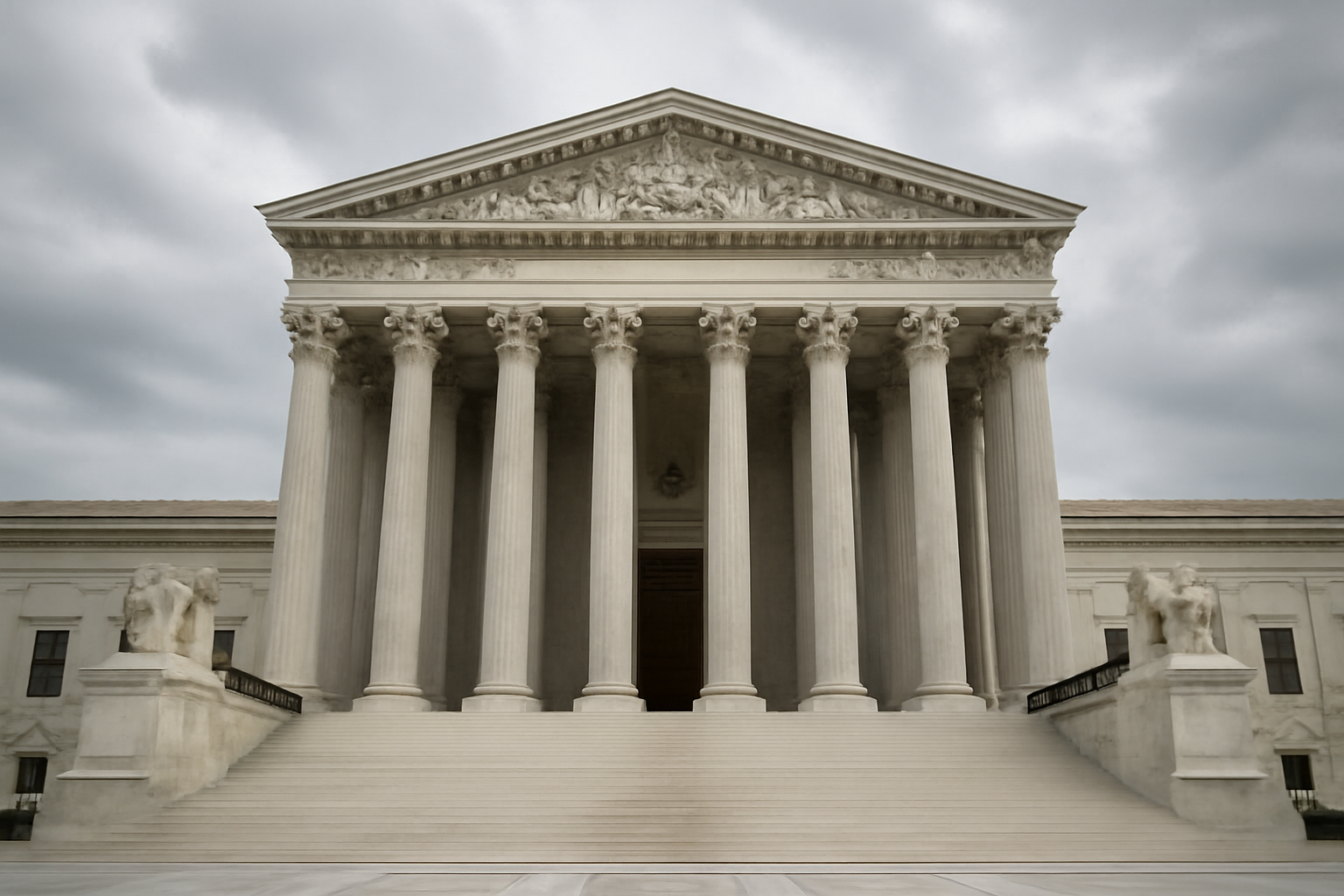
A Missouri redistricting dispute has drawn scrutiny from the U.S. Supreme Court, according to a legal analysis published by Verdict, the commentary site published by Justia. The piece, titled "Important Takeaways From the Missouri Districting Debacle and the Supreme Court's Reaction to It," walks through what went wrong with the state's map-drawing process and how the justices have responded.
The full mechanics of the dispute — the specific map at issue, the timeline of litigation, and the precise language of the Court's order — are laid out in Verdict's analysis. Readers looking for granular procedural history should start there. What follows is Quote Conservative's opinion on why this fight matters and how it fits a pattern that keeps repeating in American redistricting law.
What Is Verdict's Analysis Actually Arguing?
Verdict frames the episode as a "debacle," language that signals the outlet sees real dysfunction in how Missouri's districts were drawn or defended in court. The piece promises "important takeaways," which is analyst shorthand for a case that produced more than one lesson for state legislators, litigants, and the judges who eventually have to referee the fight. Verdict does not treat this as a routine procedural footnote; the framing suggests the Supreme Court's involvement carries weight beyond Missouri's borders.
Why Do Redistricting Fights End Up at the Supreme Court?
The pattern is familiar. A state legislature draws new district lines. Someone — a voter, a party, an advocacy group — sues, usually in state court first. If a state court blocks or rewrites the map, the losing side often runs to federal court, sometimes on an emergency basis, arguing the state judiciary overstepped its role. That argument tends to center on which body actually has the last word on map-drawing: the legislature that passed it, or the court that struck it down. Missouri's case appears to be following that well-worn road, based on the framing in Verdict's piece.
How Does This Fit Broader Friction Between State Courts and Federal Authority?
Missouri is not the only place in 2026 where a state judiciary has landed in the crosshairs of a bigger institutional fight. In Wisconsin, the state Supreme Court held off on suspending Milwaukee Judge Hannah Dugan's law license even as she faced separate legal exposure tied to an immigration enforcement dispute. That case, like Missouri's, turns on a basic question: how much deference does a state court get before a federal authority — Congress, a federal court, or in Missouri's instance, the Supreme Court — steps in to correct course.
The through-line is not partisan loyalty to one outcome. It is a structural question about who checks whom, and how fast, when a state institution's decision looks wrong to a federal one.
What Does Federalism Say About Who Draws the Maps?
Quote Conservative's own explainer on federalism lays out the basic architecture: the Constitution splits authority between the federal government and the states, and that split gets tested hardest in areas — like elections administration — where both levels claim a stake. Conservative legal commentators have long argued that state legislatures, not state courts, hold the primary constitutional role in setting the rules for federal elections, including how districts are drawn. When a state court redraws a map instead of sending it back to the legislature, that argument holds, it invites exactly the kind of Supreme Court review Missouri now appears to be getting.
Whether that argument wins in Missouri's case is a question for the justices, not this desk. But the fact that Verdict felt the need to publish "important takeaways" suggests the outcome will shape how similar disputes get litigated elsewhere.
What Should Readers Watch For Next?
Anyone following this case closely should track Verdict's own coverage for updates on the Supreme Court's next move, since that outlet has the procedural detail this analysis does not repeat. The broader story worth watching is whether more states see their redistricting fights escalate the way Missouri's and, in a different context, Wisconsin's judicial dispute have. Both cases share a common thread: a state-level actor made a call, and a higher authority is now deciding whether that call gets to stick.
mindfulAI Keyboard — An iPhone keyboard that rewrites a draft in a tone you pick. Four free AI actions a day.
Questions
Where can readers find the full details of Missouri's redistricting dispute?
Verdict, the legal commentary site published by Justia, has the procedural history and case specifics in its full analysis.
Is the Missouri case similar to other state-federal judicial disputes in 2026?
It echoes the structural question raised in Wisconsin, where the state Supreme Court held off on suspending Judge Hannah Dugan's law license amid separate federal legal exposure.