politics
Supreme Court Will Review Judges' Power to Extend Polling Hours
This is an opinion piece from the Quote Conservative Commentary Desk.
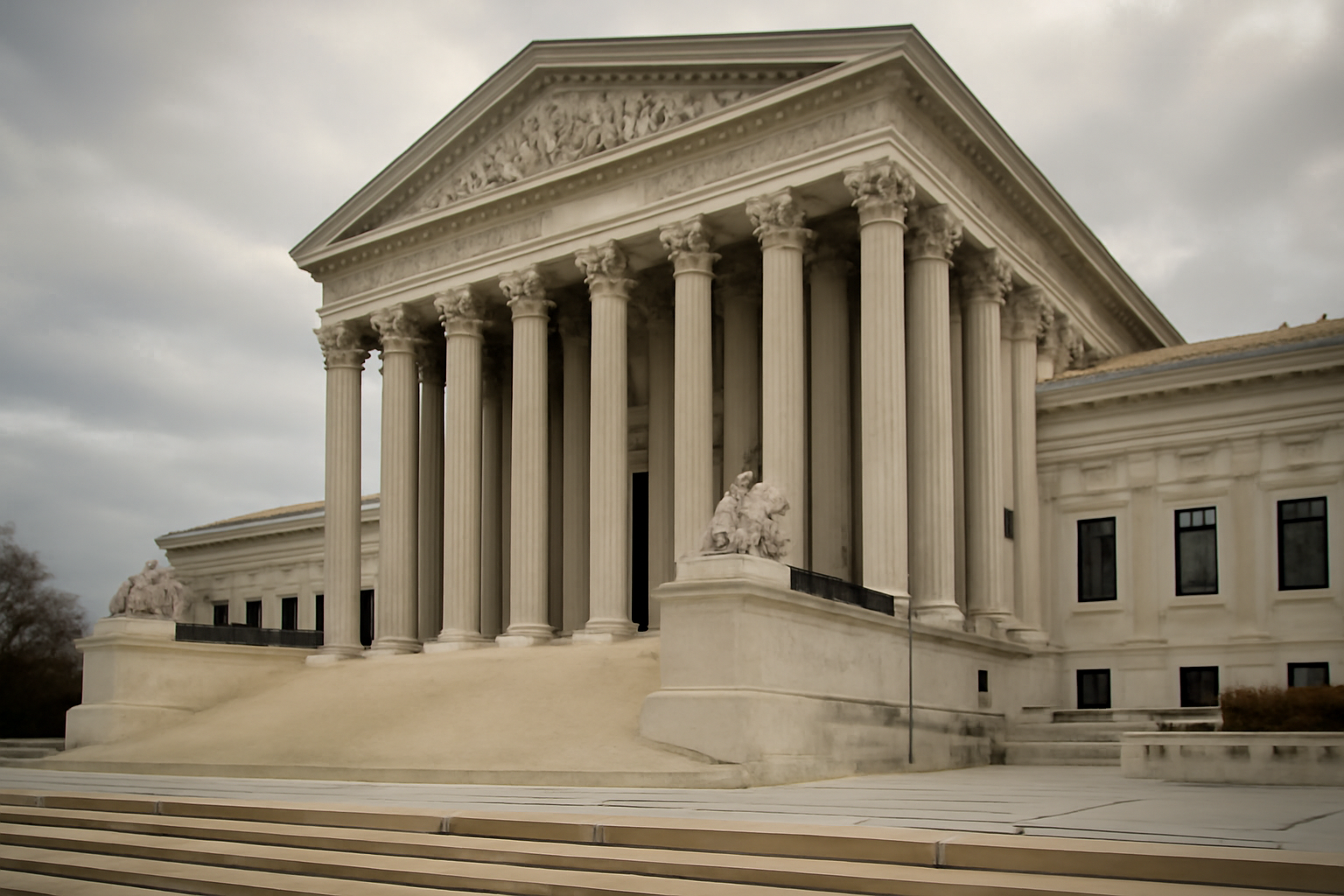
The U.S. Supreme Court has agreed to consider whether judges have the authority to extend polling hours on Election Day, but the justices will not rule until after November's election has already been decided, according to WisPolitics.
What did the Supreme Court agree to review?
WisPolitics reported that the justices will take up the question of whether a judge can order polls to stay open past their scheduled closing time. The outlet's headline frames the case squarely around "judges' powers to extending polling hours," a dispute that has surfaced repeatedly in close statewide races when local courts have intervened, sometimes at the request of election officials citing long lines or equipment failures. The specific case details beyond that framing were not included in the available reporting.
Why does the delay until after November matter?
The more consequential fact in WisPolitics' report may be the timing, not the merits. The Court will not resolve the question before the November election takes place, meaning any state or federal judge facing an Election Day crisis this cycle will act without a definitive answer from the nation's highest court. That leaves the same patchwork of state and lower-federal-court precedent in place that produced the underlying dispute in the first place. A ruling that arrives after ballots are counted settles the law for the next election, not this one.
What's the federalism argument here?
Whether a judge can unilaterally extend voting hours touches directly on the balance between state control of elections and federal judicial oversight, a tension explored in Understanding Federalism: A Concise Guide. States set their own election administration rules under the Constitution's Elections Clause, and polling-hour statutes are typically the product of state legislatures, not courts. A ruling that broadens judicial authority to override those statutes on the fly would shift meaningful power from elected legislatures to individual jurists, a move critics of judicial intervention in elections have long warned against.
How does this fit the broader election-integrity debate?
The case lands amid what U.S. Election Fraud Cases Rise Amid Integrity Concerns describes as heightened scrutiny of election administration nationwide. Supporters of judicial flexibility argue that extending hours protects voters caught in long lines through no fault of their own. Opponents counter that ad hoc extensions invite inconsistency between precincts and counties, and that any change to voting deadlines should come from legislatures accountable to voters, not from a judge's bench order issued hours before polls close.
What happens next?
No argument date, opinion timeline, or case name was included in the available reporting, and WisPolitics did not specify when after November the Court intends to act. Readers should treat the underlying legal question as unsettled through this election cycle.
By the Numbers
- 2026 — the November election cycle the case will not affect before votes are cast
- 1 — the polling-hours case the Supreme Court has agreed to hear, per WisPolitics' reporting
The practical effect, for now, is that the rule stays exactly as unsettled as it was before the Court agreed to hear the case.
Questions
Will the Supreme Court's polling-hours ruling apply to the November election?
No. According to WisPolitics, the Court will not decide the case until after November's election has concluded.
What is the legal question in the case?
WisPolitics reports the Court agreed to consider whether judges have the power to extend polling hours, though further case specifics were not detailed in the available reporting.