business
Washington Post Leaves Fed's New Threat Unexplained
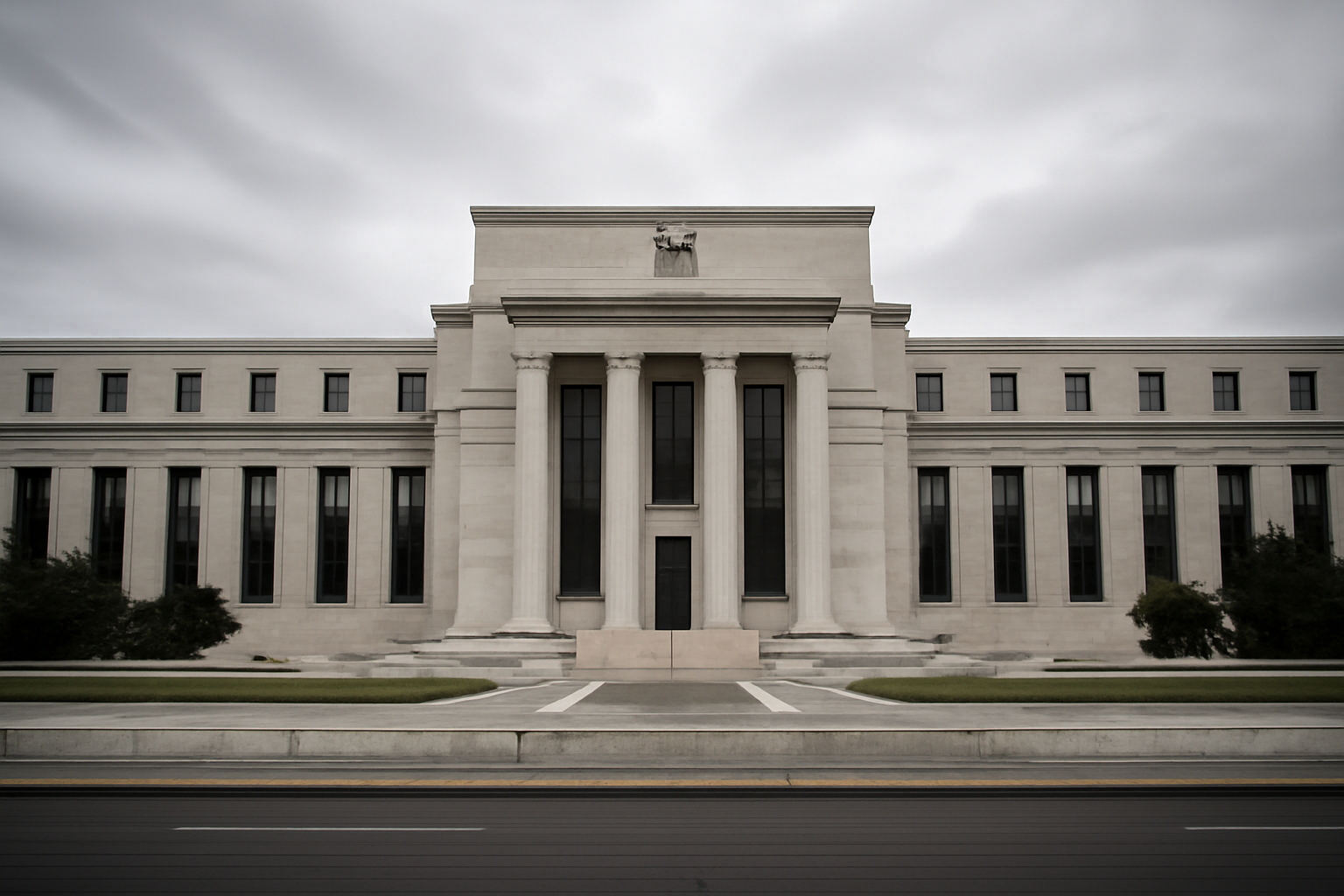
Commentary
The Washington Post published a piece this month headlined "The Fed confronts a powerful new economic force." The version of that story indexed by Google News does not identify, in that headline, what the "force" is. No figure, no sector, no named driver appears in the text available to this desk.
What does the Washington Post say the Fed is facing?
The headline itself is the only text this desk was able to review. It asserts that the Federal Reserve is "confronting" something new and economically significant. It does not say whether that force is inflation, artificial intelligence, tariffs, labor-market shifts, or something else entirely. Readers searching for the underlying claim will not find a specific mechanism named in the headline alone.
That gap matters. The Federal Reserve sets interest-rate policy that touches mortgages, credit cards, and business loans nationwide. A claim that a "powerful new force" is reshaping the Fed's calculus is a serious one. Serious claims need a name, a number, or a document behind them.
Why do vague Fed headlines matter to readers?
Headlines are supposed to answer the reader's first question: what happened. "The Fed confronts a powerful new economic force" does not clear that bar on its own. It tells a reader that something changed. It does not tell a reader what changed.
This is not a small stylistic complaint. The Fed's decisions are made in public meetings, recorded in public statements, and voted on by named governors. When a headline gestures at a threat without naming it, the reader is asked to trust the framing rather than evaluate the evidence. That is the opposite of how central-bank coverage should work. The public record exists precisely so readers do not have to take a headline's word for it.
How is the Federal Reserve structured, and why does that matter here?
The Fed is not a single office. It is a system of twelve regional Reserve Banks overseen by a Board of Governors in Washington, a structure built deliberately to spread monetary authority across the country rather than concentrate it in one city. Quote Conservative's own explainer on federalism lays out the underlying principle: power divided across layers of government is supposed to be harder for any single actor, or any single narrative, to control.
That structure is relevant to how "new economic forces" actually reach the Fed's decision-making. Regional banks collect data from their own districts. The Federal Open Market Committee weighs that data alongside national figures before setting policy. Any genuine new force affecting the Fed would show up in that process, in minutes, in testimony, or in a governor's public remarks. It would not need a headline to assert its existence.
What should readers demand before accepting the claim?
A reader who wants to know what the Washington Post means by "powerful new economic force" should look for three things: a named driver, a dated data point, and a quoted Fed official. None of those appear in the headline alone. Until they do, the claim is an assertion, not a finding.
This is not a dismissal of the underlying reporting. The Washington Post may well have identified something specific inside the full article. It is a statement about what the headline, on its own, actually proves. A headline that says the Fed "confronts" something without saying what invites the reader to fill in the blank. Readers should not do that work for a news organization.
What comes next on this story?
The Federal Reserve's own communications, meeting minutes, and governor statements are the primary record for any claim about what is shaping monetary policy. Until a specific driver is named and sourced, this desk treats the phrase "powerful new economic force" as an open question rather than a settled fact. Readers following the Fed's next moves should look for the underlying data, not the adjective.
Questions
Does the Washington Post headline say what the new economic force is?
No. The headline text reviewed by this desk states the Fed is confronting a new economic force but does not name a specific driver, sector, or figure.
How is the Federal Reserve structured?
The Fed operates through twelve regional Reserve Banks and a Board of Governors in Washington, a structure designed to spread monetary authority rather than centralize it in one office.