news
Yahoo Opinion Argues Clarence Thomas Legacy Is Falling Court Trust
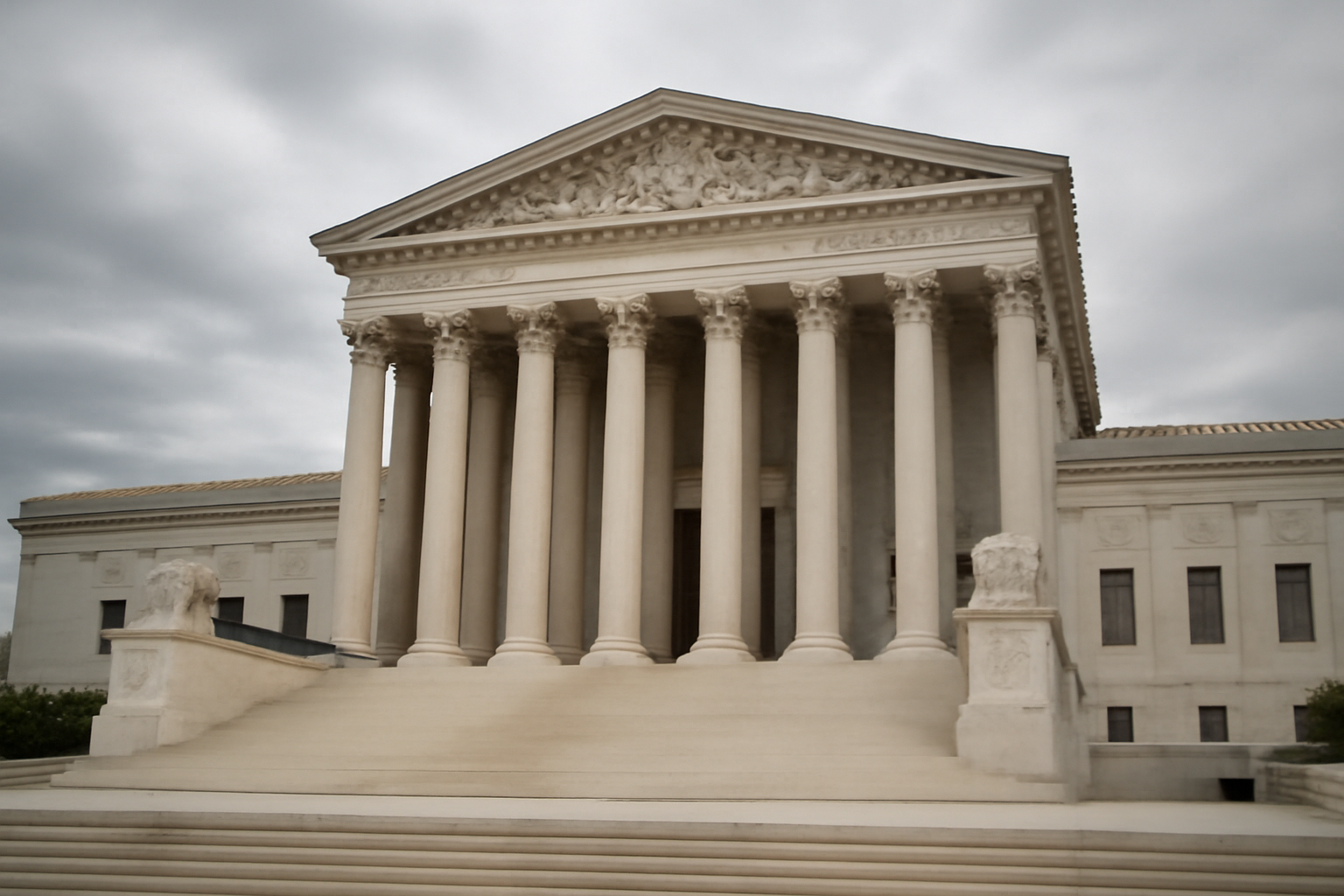
Opinion. A Yahoo News commentary, surfaced via Google News, argues that Justice Clarence Thomas's defining legacy will not be a body of opinions but a Supreme Court that Americans trust less than they once did. The piece is available here, and it deserves a direct read rather than a secondhand summary — the headline claim is a strong one, and the underlying reasoning matters more than the framing.
What does the Yahoo opinion piece actually claim?
The headline states plainly: Thomas's legacy "will be declining trust in the Supreme Court." That is a causal argument — that one justice's tenure, decisions, and conduct are a primary driver of institutional trust falling — not simply a description of a trend that happens to coincide with his time on the bench. Readers should note the difference. Correlation between a long tenure and a period of falling trust is not the same as proof that the tenure caused the decline, and the opinion piece, as surfaced here, does not spell out the mechanism in the portion available for review.
Is declining trust in the Supreme Court a documented, contested, or assumed premise?
That question cannot be answered from the material at hand. No polling figures, case counts, or survey methodology accompanied the excerpt reviewed for this piece. An opinion essay is entitled to assert a premise and build an argument on it, but readers evaluating the claim should look for the specific data the original piece cites before accepting the causal link between one justice and a broader institutional trend.
How does this fit alongside other court-trust stories?
The question of whether courts retain public confidence is not confined to the federal bench. A related dispute now playing out in Wisconsin, where the state Supreme Court has held off on suspending a judge's law license, shows the same trust question surfacing at the state level. See Wisconsin Supreme Court Holds Off on Suspending Hannah Dugan's Law License. Readers trying to separate a single justice's record from structural questions about how American courts are organized may also find Understanding Federalism: A Concise Guide useful background on how state and federal judicial authority relate.
What is missing from the opinion piece as summarized?
Specifics. An argument that a single justice's legacy determines institutional trust needs named cases, named controversies, or named polling to be evaluated fairly. Absent that detail in the material reviewed, this commentary cannot verify, endorse, or rebut the underlying reasoning — only the headline claim itself.
Why does labeling this claim matter?
Because "legacy" arguments about sitting or recently departed justices are inherently opinion, not findings. The Yahoo piece is presented and read here as opinion journalism, and it should be evaluated on the strength of the evidence it cites, not the strength of its headline. Readers who want to judge the argument on its merits should read the original piece in full before accepting or rejecting its thesis.