politics
Why Did the Supreme Court Block Missouri's GOP Map a Third Time?
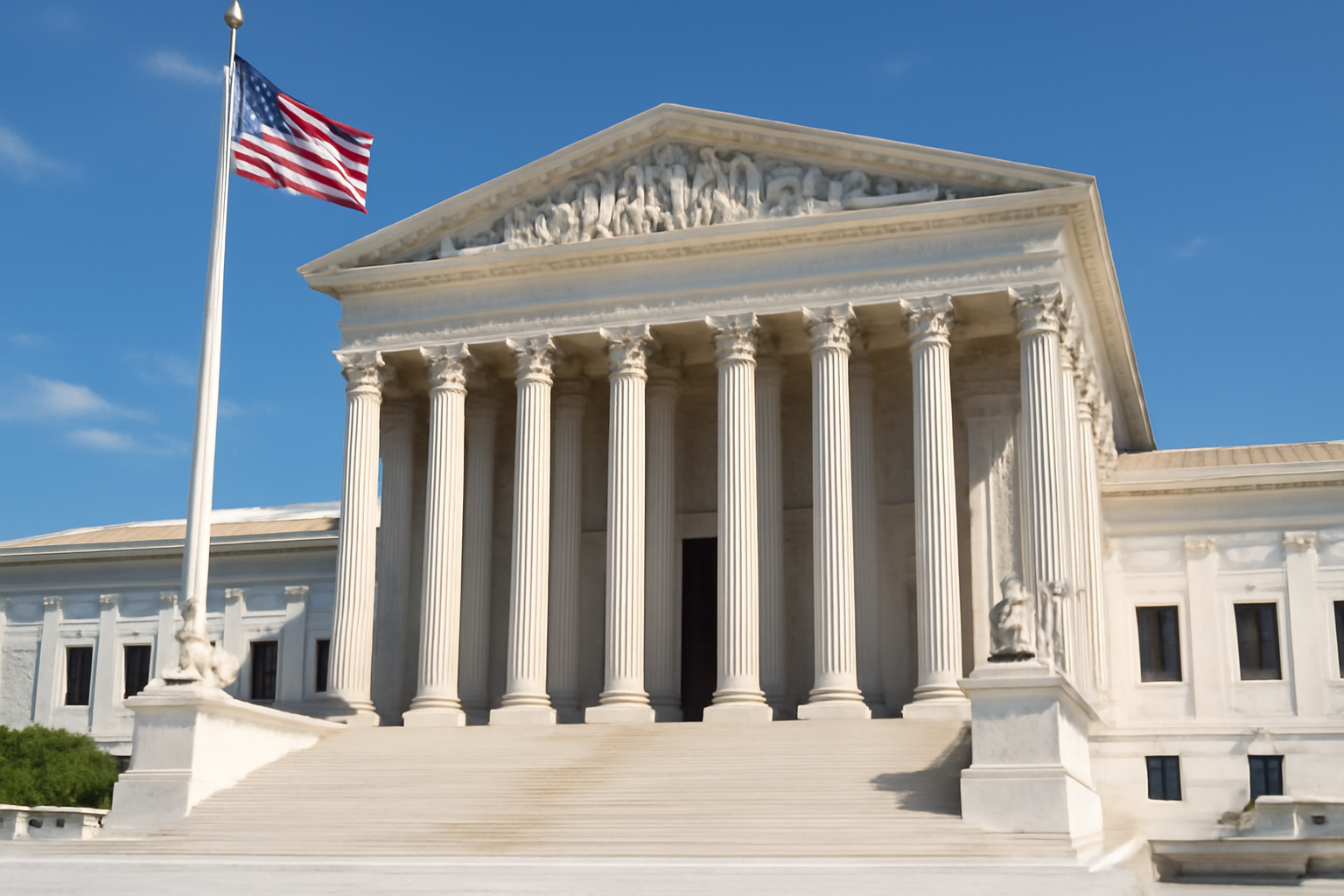
The Supreme Court has, for a third time, declined to let Missouri put into effect a congressional map that SCOTUSblog describes as one expected to aid Republicans, according to SCOTUSblog's report. The order means the map cannot be used while litigation over Missouri's congressional lines continues, and it marks the third consecutive time the justices have turned away the state's effort to get it into force.
"For the third time, Supreme Court declines to allow Missouri to use congressional map expected to aid Republicans." — SCOTUSblog
What did the Supreme Court just do?
Based on SCOTUSblog's framing, the Court denied an emergency application asking it to lift a lower-court block on the map before it could be used. That kind of request typically arrives on what is commonly called the Court's emergency or "shadow" docket — a track for urgent applications, decided without full briefing or oral argument and often without a written opinion explaining the reasoning. A denial on that docket does not resolve the underlying legal fight over whether the map is lawful; it only decides who draws the lines while the case works its way through the courts.
Why has this happened three times?
The available reporting does not spell out what changed between the first, second, and third requests, only that Missouri came back to the Court more than once seeking the same relief. That pattern is not unusual in redistricting fights, where a state loses at a lower court, appeals, loses again or the case posture shifts, and returns to the justices hoping a fuller record or a different moment in the election calendar will change the outcome. Three denials in a row, without a published opinion accompanying them, leaves the reasoning to inference rather than record — a point worth flagging rather than glossing over.
Why would this map help Republicans?
SCOTUSblog's own headline characterizes the map as one "expected to aid Republicans," but the source material reviewed here does not detail the specific district boundaries, population figures, or partisan-lean calculations behind that characterization. Readers who want the map's actual lines, the court filings, or the partisan-index math should go to the primary docket and the state's redistricting commission materials rather than take a headline phrase as a substitute for the data. That is a fair caution regardless of which side one favors in the underlying fight.
What happens next for Missouri's district lines?
With the emergency application denied again, the map that was in place before this dispute — or whichever map a lower court has ordered as an interim remedy — remains the operative one for now. The merits of the case have not been decided; only the request to jump the queue and use the GOP-favored map immediately has been turned down. Missouri's options from here are the ones every party in this position has: continue litigating in the lower courts, seek expedited review on the merits, or wait for the ordinary appellate process to run its course, however slow that may feel with an election calendar bearing down.
How does this fit the broader redistricting and election-law fight?
Missouri's repeated trips to the Supreme Court sit inside a larger, recurring argument about how much power federal courts should exercise over state line-drawing decisions that state legislatures believe belong to them — the same federalism tension explored in Quote Conservative's explainer on federalism. It also lands amid a wider run of election-law disputes working through American courts, documented in HTT News's coverage of rising election-integrity litigation. Neither piece resolves the Missouri map question, but both frame why a state redistricting fight keeps landing back at the nation's highest court instead of staying settled at the state level.
The fair criticism to make here does not require picking a side on whether the map itself is lawful. It is simply this: when the Supreme Court declines relief three times without a public explanation, voters, candidates, and election administrators in Missouri are left to plan around uncertainty rather than a settled map — and that uncertainty compounds with every cycle the litigation drags on.
Questions
Did the Supreme Court rule on whether Missouri's map is legal?
No. The denial reported by SCOTUSblog addresses only an emergency request to use the map immediately; the underlying legal dispute over the map's lawfulness has not been decided.
Why does the Supreme Court sometimes deny requests without an opinion?
Emergency applications are often handled on the Court's so-called shadow docket, where rulings can be issued without full briefing, argument, or a written explanation.