politics
What We Know About the NYT's Case That Voters Hate Both Parties
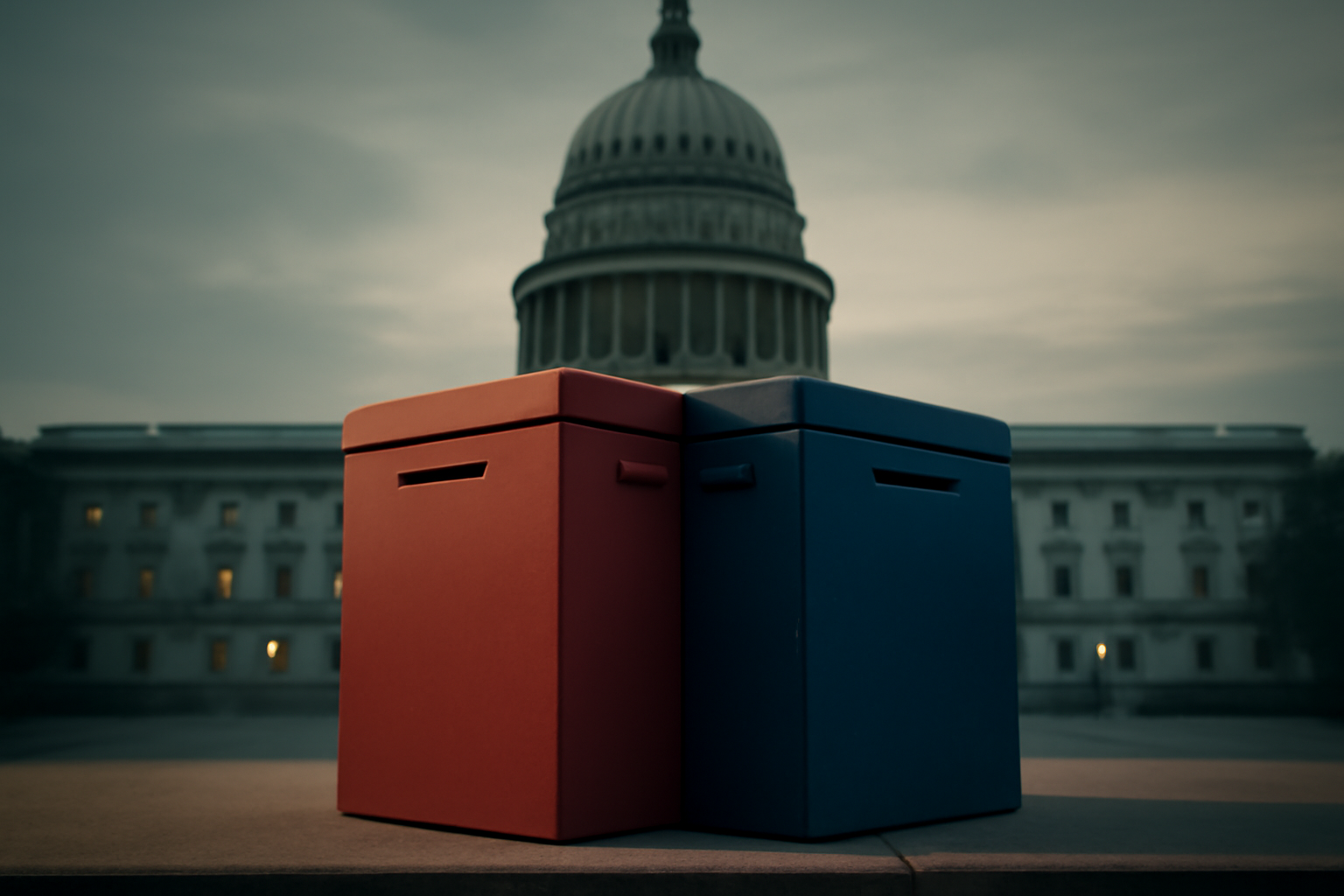
Opinion. The New York Times' opinion desk published a column this week under the headline "This Is Why So Many Voters Hate Both Parties," arguing that frustration with the two-party system has become a defining feature of American politics. Read the column. The premise is not controversial; it is the explanation that divides readers, and it is worth asking what else, outside the Times' own pages, is feeding that distrust.
What did the New York Times argue?
The Times ran the piece under its opinion banner, which means the paper is explicitly presenting argument rather than news reporting. That framing matters: the headline makes a sweeping claim about "so many voters," but the Times does not publish the column as a polling story. Readers looking for the underlying survey data or methodology should check the original column directly, since this desk cannot independently verify numbers the Times did not make public in the linked piece.
Why does the premise land with conservative readers?
Distrust of both parties is not a new sentiment, but it tends to spike when institutions that are supposed to be neutral — courts, election administrators, regulatory bodies — appear to act on political grounds. That is the pattern this desk has tracked locally in recent weeks, not through polling but through concrete cases moving through the system.
Where else is that distrust showing up?
In Wisconsin, the state Supreme Court has held off on suspending Hannah Dugan's law license, a case this outlet covered directly. Separately, HTT News reported that election fraud cases are rising amid integrity concerns — a headline that, true or overstated, feeds exactly the kind of both-sides suspicion the Times column describes. Neither party benefits when voters conclude that referees are picking sides.
How does federalism fit into this argument?
Part of the frustration voters describe traces back to confusion over who is actually accountable for a given failure — the federal government, a state, or a local body. This outlet's own explainer on federalism lays out the basic division of powers that voters are often arguing about without naming it. When that division is unclear, both national parties absorb blame for problems that may sit with a governor, a court, or a county clerk instead.
What should readers watch for next?
- Whether the Wisconsin Supreme Court issues a final ruling on Dugan's law license, and on what timeline.
- Whether additional election-integrity cases cited in state or federal filings produce convictions or dismissals.
- Whether the Times or other outlets publish the underlying data behind "so many voters hate both parties" claims, so the premise can be checked against actual numbers rather than headline framing alone.
The Times column makes an argument, not a data release. Readers deciding whether to trust either party, or neither, are better served tracking the specific cases — judicial, electoral, structural — than the headline alone.
Questions
Did the New York Times release polling data behind its headline?
The linked opinion column does not include publicly cited polling data in the version reviewed; readers should check the original piece for any methodology the Times provides.
Is the Wisconsin judicial case related to the NYT column?
Not directly. It is cited here as a separate, concrete example of the institutional friction that can fuel the broader distrust the Times column describes.