business
Washington — Fed Minutes Could Detail Rate-Hike Reasoning, Path Ahead
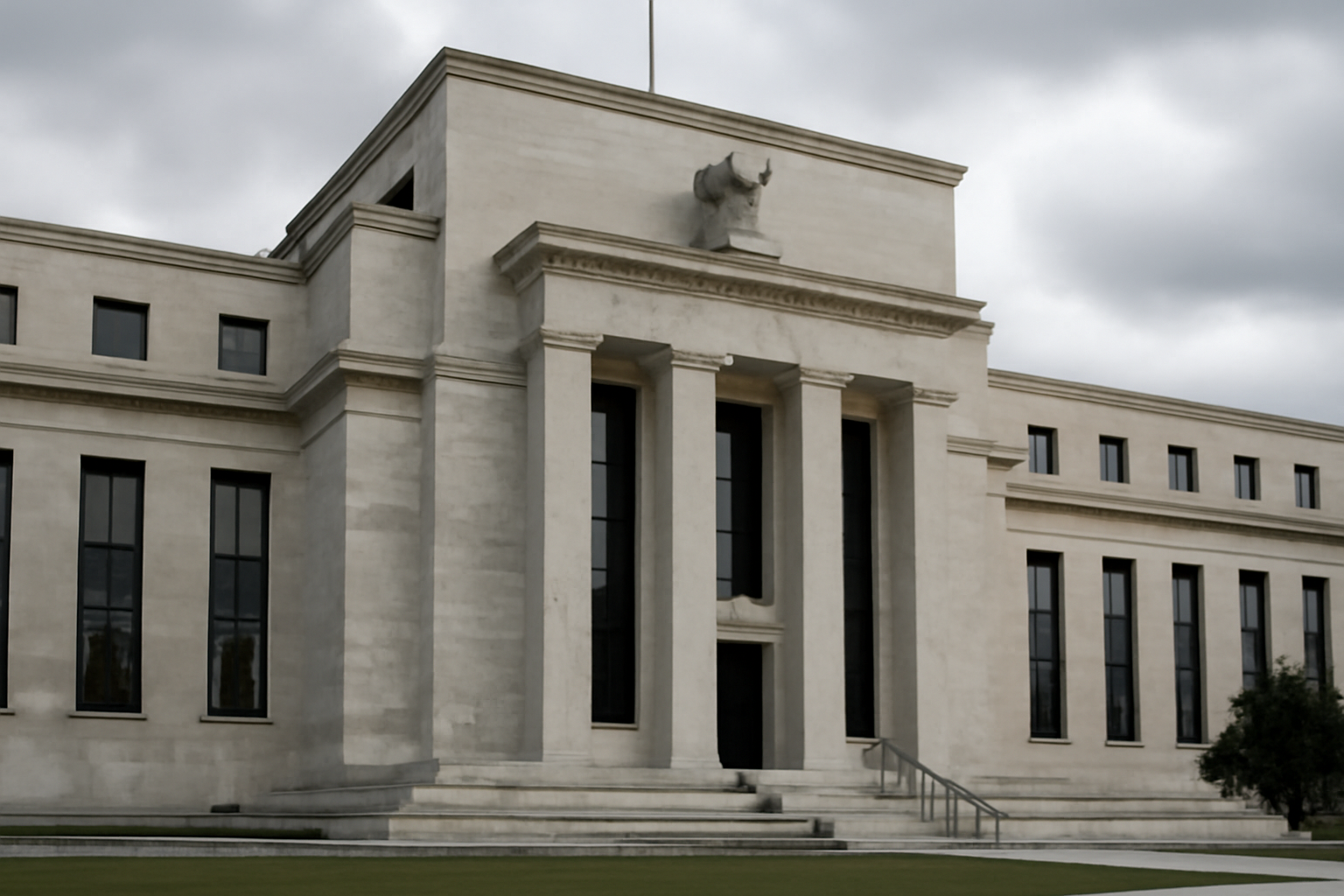
Washington's Federal Open Market Committee is preparing to release minutes from its most recent policy meeting, and Reuters reports those minutes could lay out the reasoning behind the panel's latest interest-rate decision along with signals about where policymakers expect rates to go next. The release matters because the Fed, by design, says less in public than almost any other arm of the federal government, and the minutes are the closest thing the public gets to a transcript.
What are the minutes expected to show?
Reuters' framing — that the document "could detail" both the rate decision and the policy path — is itself notable. It signals that the public record of the vote has not yet answered the obvious follow-up questions: how unified was the committee, and what conditions would change its mind. Fed minutes typically arrive three weeks after a meeting, a lag the central bank defends as necessary to avoid market whiplash and that critics call an unusually long blackout for an institution with this much power over borrowing costs.
Why do Fed minutes matter to ordinary Americans?
The Federal Reserve's rate decisions ripple into mortgage rates, credit-card interest, and the cost businesses pay to borrow for expansion. When the committee's internal debate is opaque, markets price in guesswork rather than certainty, and that guesswork gets passed on to households in the form of volatility. A minutes release that genuinely details the policy path — rather than restating talking points already delivered at the post-meeting press conference — gives savers, borrowers, and small-business owners something closer to an actual roadmap.
Is the Fed's transparency model working?
The Federal Reserve was built, in part, as an institution insulated from short-term political pressure — a structure defenders say protects the currency from election-cycle manipulation. That insulation is a feature of the same federalist logic that distributes power across separate, semi-independent institutions rather than concentrating it in one elected body, a point explored in Quote Conservative's explainer on federalism. The tradeoff is accountability: an institution shielded from political control is also shielded from the kind of immediate public scrutiny that forces elected officials to explain themselves in real time. Three weeks of silence after a rate decision is the price of that insulation, and whether it is a fair price is a legitimate argument, not a settled one.
What should readers watch for in the release?
The test for this particular set of minutes is simple: does the document actually explain the committee's reasoning in enough detail that an outside reader can reconstruct the debate, or does it restate the official statement in longer form? Reuters' own framing suggests the outcome is still open. Markets, lawmakers, and the public will be reading the same document for different reasons — investors for the rate path, lawmakers for ammunition in the perennial argument over Fed independence, and the public for a plain answer to a plain question: why did borrowing just get more or less expensive, and what happens next.
That question deserves a document that answers it in the committee's own words, not a press release dressed up as minutes.
Questions
What do Federal Reserve meeting minutes typically contain?
They record the committee's internal debate behind a rate decision, including dissenting views and discussion of the expected policy path, and are usually released about three weeks after the meeting.
Why does Reuters say these particular minutes matter?
Reuters reports the minutes could detail both the reasoning behind the latest rate-hike decision and signal where the Federal Open Market Committee expects policy to head next.