politics
Yakima Paper Urges Supreme Court to Favor Constitution Over Trump
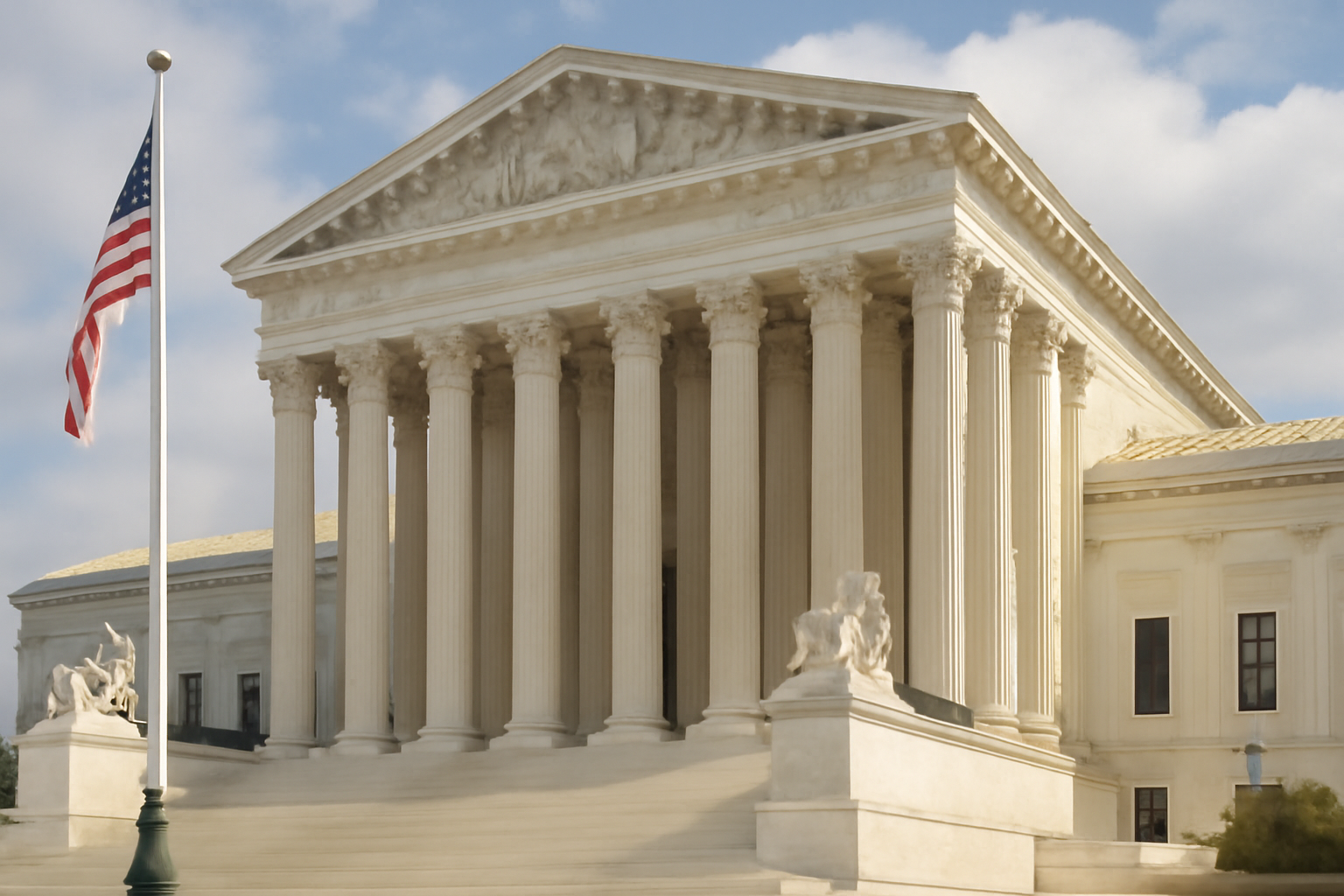
Opinion. A Yakima Herald-Republic column published this week frames the Supreme Court's obligation in blunt terms: the justices answer to the Constitution, not to President Trump. The headline alone — "Supreme Court must support the Constitution, not Trump" — is a thesis statement, and it is worth taking seriously on its own terms, even without the full text of the column in hand. Read the original column.
What Does the Yakima Herald-Republic Column Argue?
The headline does the heavy lifting here: a newspaper editorial board is telling the nation's highest court that fidelity to the text of the Constitution, not deference to the sitting executive, is the job. That is not a controversial legal proposition in the abstract — every justice who has ever been confirmed has said the same thing under oath. The argument only becomes pointed in the current moment, when the column's framing implies the two are in tension around Trump-era disputes now moving through the federal courts.
Why Does the Court-Versus-President Framing Divide Readers?
There are two fair readings of that framing, and both deserve airing. One reading holds that any president who tests the limits of executive authority invites exactly the judicial check the framers built into Article III — and that a court which bends to political pressure from the White House, regardless of party, has abandoned its constitutional function. The other reading holds that framing routine legal disputes as "the Constitution versus the president" presumes the conclusion before the briefing is even filed, and that justices interpreting statutes or constitutional text are not choosing sides between a document and a man, they are doing the ordinary work of adjudication. Readers skeptical of the column's framing will note that the Supreme Court has ruled against and for the Trump administration in different cases, which cuts against the idea that the institution has picked a side.
How Does the Wisconsin Dugan Dispute Illustrate the Stakes?
The underlying tension between judicial independence and political accountability is not confined to Washington. In Wisconsin, the state supreme court has held off on suspending Judge Hannah Dugan's law license, according to HTT's reporting on the case. That dispute, distinct from the federal questions raised in the Yakima column, nonetheless shows the same structural question playing out at the state level: when and how should a judiciary discipline or defer, and to whom. The parallel is instructive even though the facts differ — both disputes turn on how much insulation judges and justices should have from political consequences for their rulings.
What Should Readers Watch For Next?
The column's central claim — that the Court must choose the Constitution over any single officeholder — is easy to endorse in principle and hard to apply in practice, because the hard cases are precisely the ones where reasonable judges disagree about what the text requires. Readers tracking this fight should watch:
- Which specific cases, if any, the Yakima Herald-Republic column cites as evidence the Court has favored Trump over the Constitution, since the headline alone does not specify them.
- How the Wisconsin Supreme Court ultimately resolves the Dugan matter, and whether that outcome is read as a model or a warning by courts weighing similar discipline questions elsewhere.
- Whether future Supreme Court rulings on executive-power disputes draw dissents or majority opinions that explicitly address the loyalty-to-text argument the column raises.
Timeline: How Did This Debate Build?
- The Wisconsin Supreme Court's decision to hold off on suspending Judge Dugan's law license was reported September 17, 2026.
- HTT's federalism primer, explaining how constitutional authority is divided between state and federal courts, was published the same day, September 17, 2026.
- The Yakima Herald-Republic's column arguing the Supreme Court must side with the Constitution over Trump followed in the weeks after.
None of this settles the underlying legal questions. It does establish that the debate over whether courts are serving the Constitution or a particular administration is playing out simultaneously at the state and federal level, with Wisconsin's Dugan case offering a live test of how much deference judges get when their rulings carry political consequences. The Yakima column's framing deserves scrutiny on the specifics it did not name, but its underlying premise — that courts answer to the text, not to the officeholder — is one most legal observers, whatever their politics, would say they already agree with.
Questions
What does the Yakima Herald-Republic column argue about the Supreme Court?
Its headline states the Supreme Court must support the Constitution rather than President Trump, framing judicial fidelity to the text as distinct from deference to the current executive.
How does the Wisconsin Hannah Dugan case relate to this debate?
The Wisconsin Supreme Court held off on suspending Judge Hannah Dugan's law license, a separate state-level dispute that raises the same question of how much insulation judges should have from political consequences.