news
Washington — SCOTUSblog Charts Roberts's Long Game on Executive Power
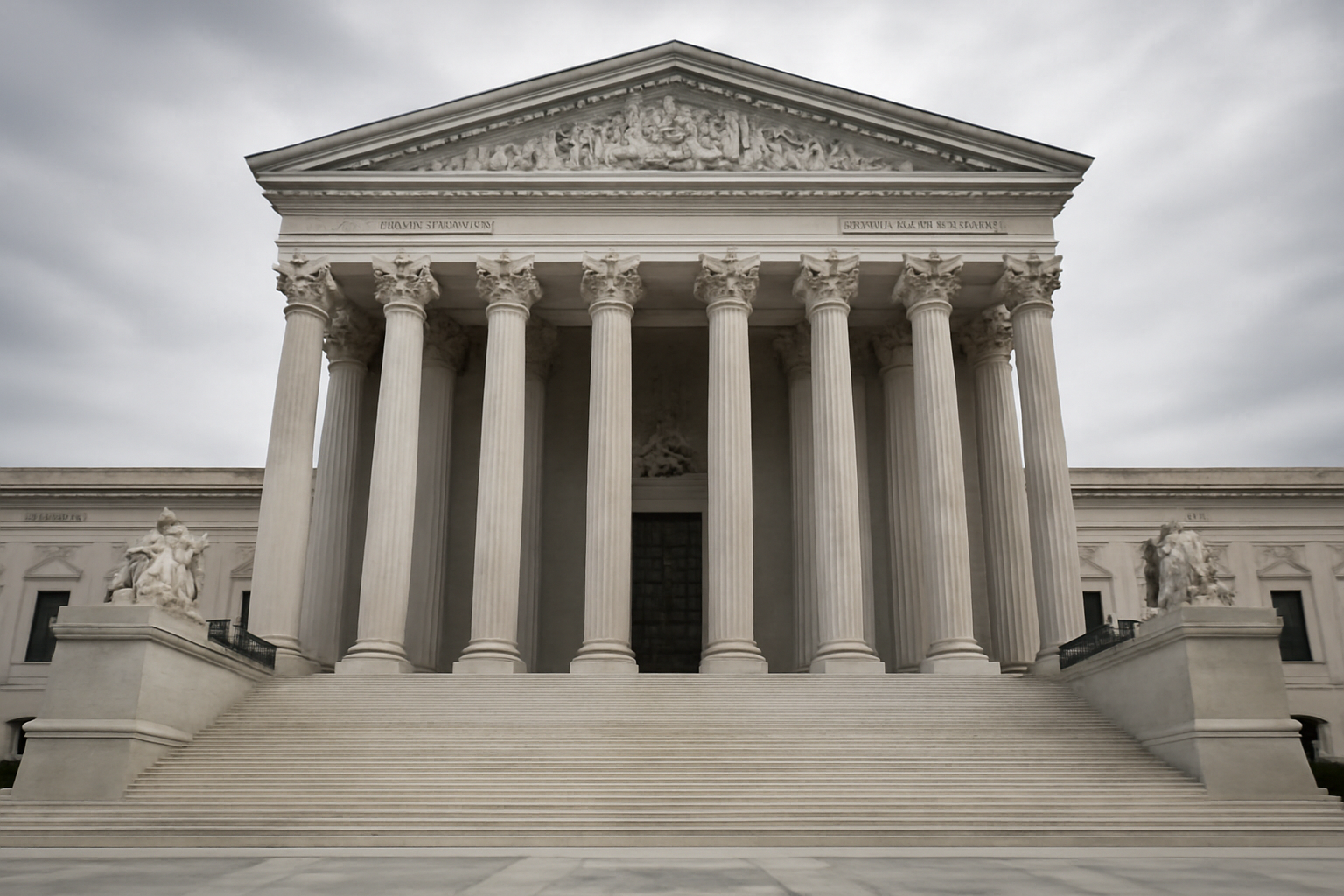
Opinion. A SCOTUSblog piece headlined "Chief Justice John Roberts' long game on executive power" argues that the chief justice has built his record on presidential authority case by case rather than through one sweeping ruling, according to the originating article. That framing deserves scrutiny, not just repetition.
What does "long game" mean here?
The phrase implies a chief justice building precedent in increments, opinion by opinion, rather than handing the presidency or Congress a single decisive win. That is a fair read of how the Roberts Court writes decisions generally — narrow holdings, procedural off-ramps, remands instead of final rulings. Whether that pattern reflects a strategy toward executive power specifically, or simply the chief justice's institutional caution across every docket, is the actual dispute worth having.
Which rulings anchor the argument?
Any serious account of Roberts and presidential authority has to reckon with decisions already on the books that limit or redirect agency and executive action — removal-power cases that narrowed how independent agency heads can be fired, and major-questions-doctrine rulings that require Congress to speak clearly before an agency claims sweeping new authority. Those rulings cut toward constraining executive reach, which complicates any story that paints Roberts as simply expanding presidential power over time. A fair opinion piece has to hold both facts at once.
How does the 2024 immunity ruling fit?
The Court's 2024 decision on presidential immunity for official acts is the obvious data point for anyone arguing Roberts has steadily built toward a stronger executive. Supporters of that reading will say the ruling, paired with earlier deference on removal and national-security questions, shows a consistent through-line. Critics will say immunity for official acts is a distinct constitutional question from agency structure, and conflating the two to build a "long game" narrative stretches the record further than the cases themselves support.
What do critics on each side say?
Those skeptical of expansive executive power will read the SCOTUSblog framing as confirmation that the Court has been laying groundwork for a presidency less checked by courts and Congress alike. Those skeptical of judicial activism from the bench will counter that reading case-by-case caution as a hidden master plan gives Roberts credit — or blame — for a coherence his opinions do not actually claim. Both objections are reasonable, and neither is addressed by a headline alone.
What should readers watch for next?
The honest test is the next executive-power case the Court takes, not retrospective narrative-building about the last decade. Readers who want the underlying structural question — how much authority properly sits with a president versus Congress versus the states — should start with the Constitution's own text rather than any single columnist's theory of judicial intent, a point covered in Quote Conservative's own federalism explainer.