politics
The Washington Post Asks When Judges Become Prosecutors
Opinion
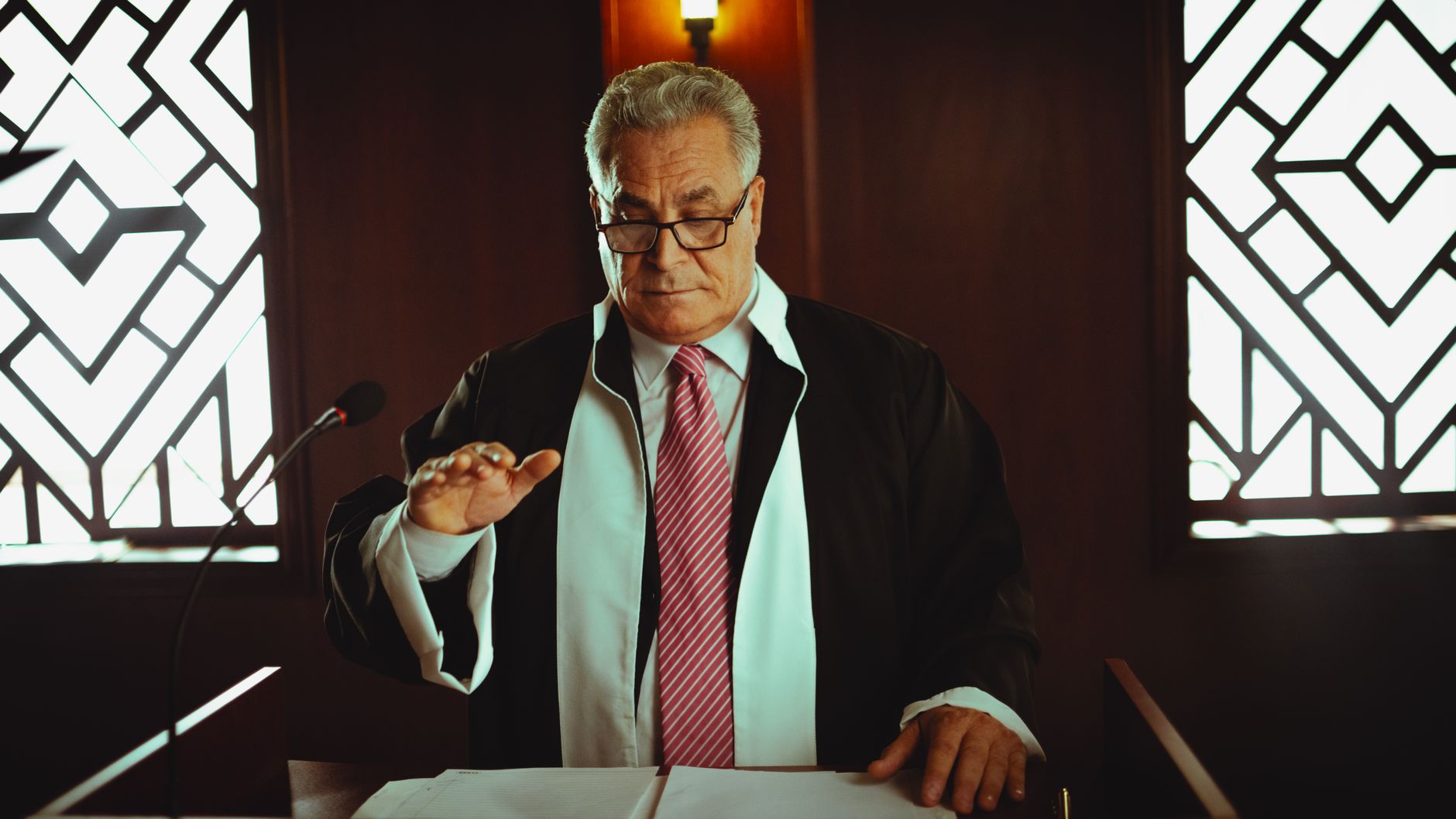
A Washington Post opinion piece asks a blunt question in its headline: when do judges stop judging and start prosecuting? The full column sits behind the Post's usual access limits, but the framing alone is worth sitting with, because it names a tension that is already playing out in real courtrooms, not just in theory.
What is the Washington Post actually asking?
The headline draws a line between two jobs the Constitution tries to keep separate: a judge who rules on evidence presented by someone else, and a prosecutor who decides whom to charge and why. The Post's framing suggests that line is getting blurry in practice, with judges sometimes taking on functions that look more like charging decisions than rulings. That is a legitimate question for any reader who cares about separation of powers, regardless of which political side benefits in a given case.
How does the Hannah Dugan case fit this debate?
The clearest working example sits in Wisconsin. The Wisconsin Supreme Court has held off on suspending Hannah Dugan's law license while her case moves through the system, according to Quote Conservative's reporting. Dugan is a judge whose own conduct became the subject of a prosecutorial-style inquiry, which flips the usual script: instead of a judge overseeing a prosecution, the judge became the person being investigated. That reversal is exactly the kind of scenario that makes the Post's headline land. If judges can be treated as targets one day and overseers the next, the line between bench and prosecution is not as fixed as civics class suggests.
Why does this matter beyond one courtroom?
Separation of powers is not an abstract academic idea. It is the reason a defendant gets a neutral referee instead of a single official who both decides the rules and decides who breaks them. When a judge's role starts to overlap with a prosecutor's role, the public loses a built-in check. That is true whether the judge in question is seen as too aggressive toward a defendant or, as in Dugan's case, becomes the one facing scrutiny. The Wisconsin Supreme Court choosing to wait rather than suspend a license immediately is itself a small data point in favor of process over speed.
What should readers watch next?
Two things are worth tracking. First, whether the Wisconsin Supreme Court eventually acts on Dugan's license, and on what timeline. Second, whether more opinion writers and legal scholars pick up the Post's framing and apply it to other pending cases where judges are accused of stepping outside a strictly judicial role. Readers who want the underlying structural argument for why these roles are supposed to stay separate can also look at Quote Conservative's explainer on federalism, which lays out how American government was built to keep power divided rather than concentrated in any single office.
None of this requires picking a side in a specific case to agree on the underlying principle: a judge who starts acting like a prosecutor is no longer doing the one job the public actually hired a judge to do.
Artiglio is A coming-soon iPhone chief of staff for briefings and drafts. Not on the App Store yet.
Questions
What is the Wisconsin Supreme Court doing with Hannah Dugan's law license?
The court has held off on suspending Dugan's license while her case continues, rather than acting immediately, according to Quote Conservative's reporting.
Why does the separation between judges and prosecutors matter?
It ensures a neutral referee decides cases instead of a single official who both sets the rules and decides who gets charged, a structure explained in Quote Conservative's federalism guide.