politics
Congress Can Rein In Unaccountable Federal Agents, Advocates Say
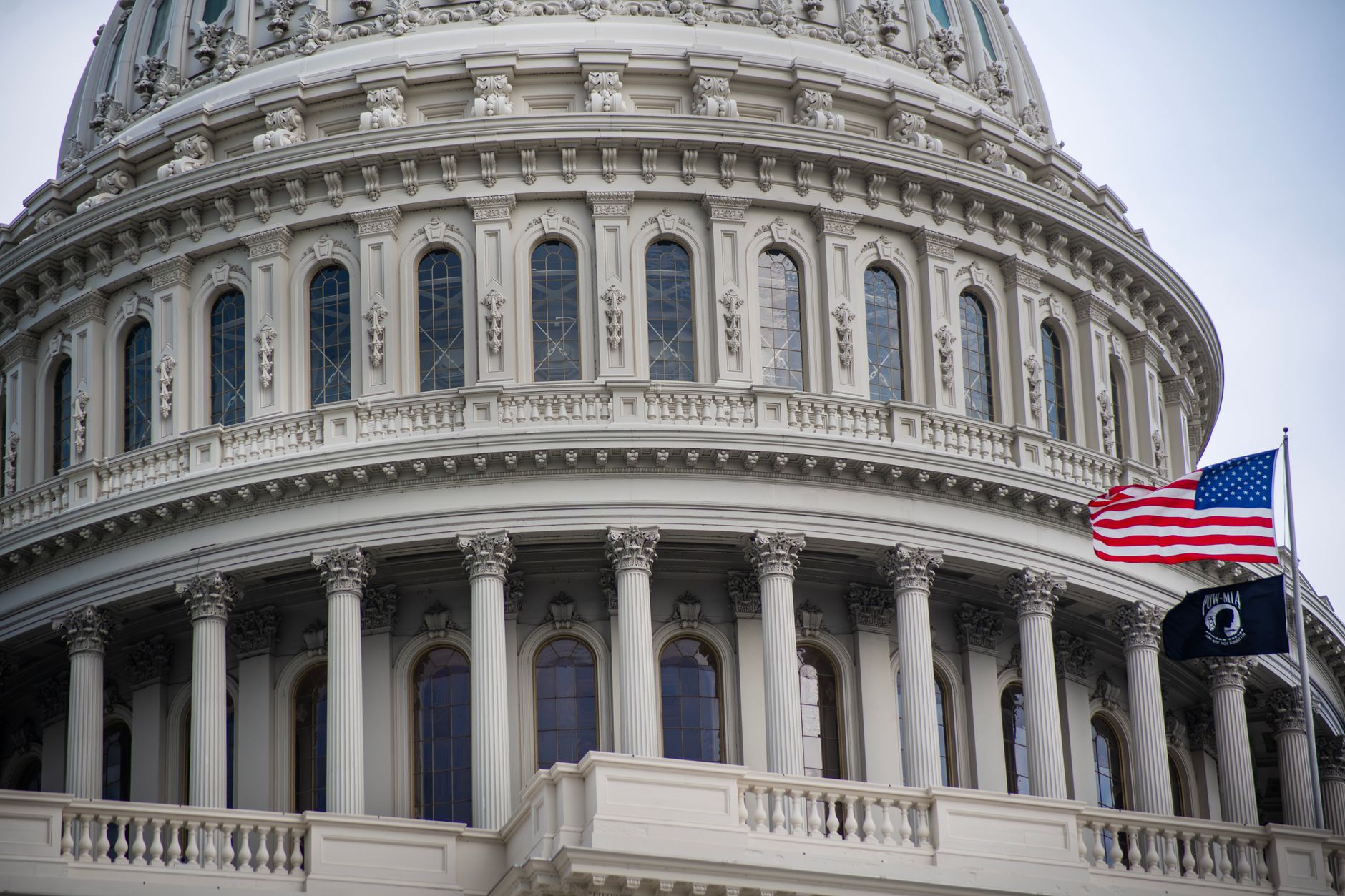
Federal agents who violate someone's constitutional rights are, in most cases, harder to sue than state or local police officers. That is the core argument made in a recent Balls and Strikes piece, which contends the Supreme Court has repeatedly narrowed the path for victims to collect damages from federal officers — and that Congress, not the courts, is the branch with power to reopen that door.
What is the legal mechanism at issue?
The starting point is Bivens v. Six Unknown Named Agents (1971), in which the Supreme Court implied a damages remedy for people whose Fourth Amendment rights were violated by federal narcotics agents. Unlike state and local officers, who can be sued under 42 U.S.C. § 1983, federal agents have no statute giving plaintiffs an explicit right to sue them. Bivens was the judge-made substitute — and the Court has since treated it as an exception to be shrunk, not a rule to be extended.
Why is it harder to sue a federal agent today?
In recent years the Court has told lower courts to be "extremely reluctant" to recognize any new Bivens claim outside the narrow facts of the original 1971 case and two companion decisions from the 1980s. That reluctance means claims against Border Patrol agents, prison officials, and other federal officers for conduct the Constitution would otherwise bar routinely get dismissed before a jury ever weighs the facts — not because the underlying conduct was lawful, but because no court-created remedy exists to hear the claim at all.
What could Congress actually do?
Because the problem is the absence of a statute, the fix is statutory. Congress could pass a federal analog to Section 1983 — a law giving people an explicit right to sue federal officers for damages when they violate clearly established constitutional rights. That would take the remedy out of judicial discretion entirely, since courts would no longer be deciding whether to "extend" Bivens; they would be applying a text Congress wrote.
Who would this bind, and who objects?
Such a statute would bind individual federal officers — in agencies from Customs and Border Protection to the Bureau of Prisons — and potentially the agencies that employ them, depending on how Congress drafted it. Opponents of expanding liability typically argue that exposing agents to more lawsuits will make them more cautious in dangerous, fast-moving encounters, and that existing internal discipline and Federal Tort Claims Act suits against the government already provide accountability. Supporters counter that internal discipline is opaque and that the government, not the agent, usually pays FTCA awards — leaving no deterrent for the individual who acted.
What to watch
- Whether any member of the new Congress introduces a standalone "Bivens fix" bill creating an explicit federal damages statute.
- How such a bill defines "clearly established" rights — the same phrase that has limited state-level qualified immunity suits for decades.
- Whether leadership in either chamber schedules a hearing, since no bill moves without one.
- Whether law enforcement unions and civil-liberties groups stake out positions before text is finalized.
This is an opinion analysis from the Quote Conservative Commentary Desk.
Quotags is A quote-card app first shipped in 2013. Version 2.0 is returning soon — do not install an old binary.
Questions
Why can't people easily sue federal agents for constitutional violations?
Federal agents lack a statute like 42 U.S.C. § 1983 that applies to state officers; the only remedy is the judge-made Bivens doctrine, which the Supreme Court has told lower courts to apply only in narrow, pre-existing circumstances.
What would fix the gap in suing federal agents?
Congress could pass a statute creating an explicit damages remedy against federal officers, removing judicial discretion over whether to extend the Bivens doctrine to new facts.