politics
What We Know About the Supreme Court's Maryland Gun Ruling
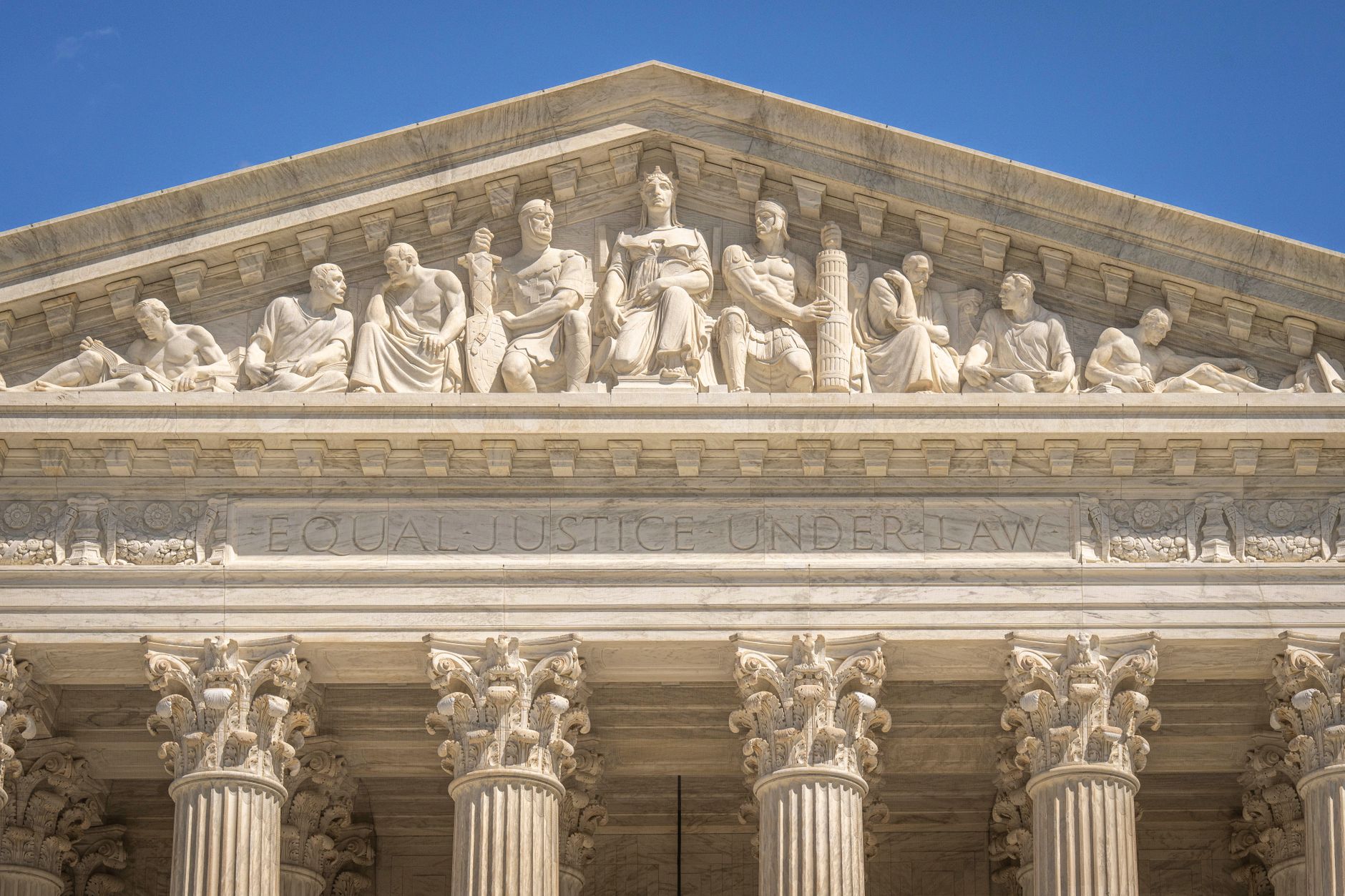
Opinion. The Supreme Court has declined to hear a challenge to Maryland's gun law, according to the Baltimore Sun. The practical effect of that one-line order is simple, and it is also the part most coverage glosses over: nothing changes legally, and the Court has said nothing about the merits.
"Supreme Court declines to hear Maryland gun law challenge" — Baltimore Sun
What does a cert denial actually do?
When the Supreme Court declines to grant certiorari — the formal word for agreeing to hear a case — it does not rule on the underlying question. It simply lets the decision from the court below stand. No majority opinion, no dissent required, no vote count published as a matter of course. That is the mechanism at work here: Maryland's law remains enforceable because the lower court's judgment upholding it was never disturbed.
What happens to Maryland's law now?
For Maryland gun owners, retailers, and prosecutors, the status quo holds. The statute challenged in this case continues to operate exactly as it did before the petition was filed. A cert denial is not an endorsement of the law's constitutionality — it carries no precedential value — but it does mean enforcement proceeds under the lower court's reading of the Second Amendment for now.
Why didn't the justices explain the denial?
The Court does not routinely explain why it turns away a case. Denials require no opinion and, absent a noted dissent from denial, no public reasoning at all. That silence is often read by advocates on both sides as evidence for their position — gun-rights groups calling it proof the Court is ducking a fight it should settle, gun-control advocates calling it proof the law was never in serious constitutional jeopardy. Both readings are speculation; the order itself answers neither question.
What does this mean for gun laws in other states?
Because a denial sets no national precedent, state legislatures and lower courts elsewhere are free to keep litigating similar statutes on their own terms. Nothing forecloses a future petition from Maryland or another state raising the same core Second Amendment question in a different procedural posture — and nothing guarantees the Court will take that one either.
What to watch next
- Whether Maryland's legislature or litigants file new or amended challenges targeting different provisions of the same law.
- Whether other circuit courts split on similar gun statutes, which historically increases the odds the Supreme Court eventually grants review.
- Any public statements from Maryland's attorney general's office or plaintiffs' counsel on next legal steps.
- Whether any justice later notes a dissent from the denial in a related filing, which would be the clearest public signal of internal disagreement.
The broader lesson is procedural, not political: a denial of certiorari is the Court declining to referee a fight, not declaring a winner. Readers following the Second Amendment docket should treat this order as a pause, not a verdict — and watch the lower courts, not the marble building, for the next move.
Questions
Does declining to hear a case mean the Supreme Court agrees with the lower ruling?
No. A cert denial sets no precedent and offers no reasoning; it simply leaves the lower court's judgment in place.
Can Maryland's gun law be challenged again?
Yes. Litigants can bring new cases, and the Supreme Court can later grant review in a different case raising the same Second Amendment question.