politics
What We Know: Supreme Court Clears Trump Voter Database Plan
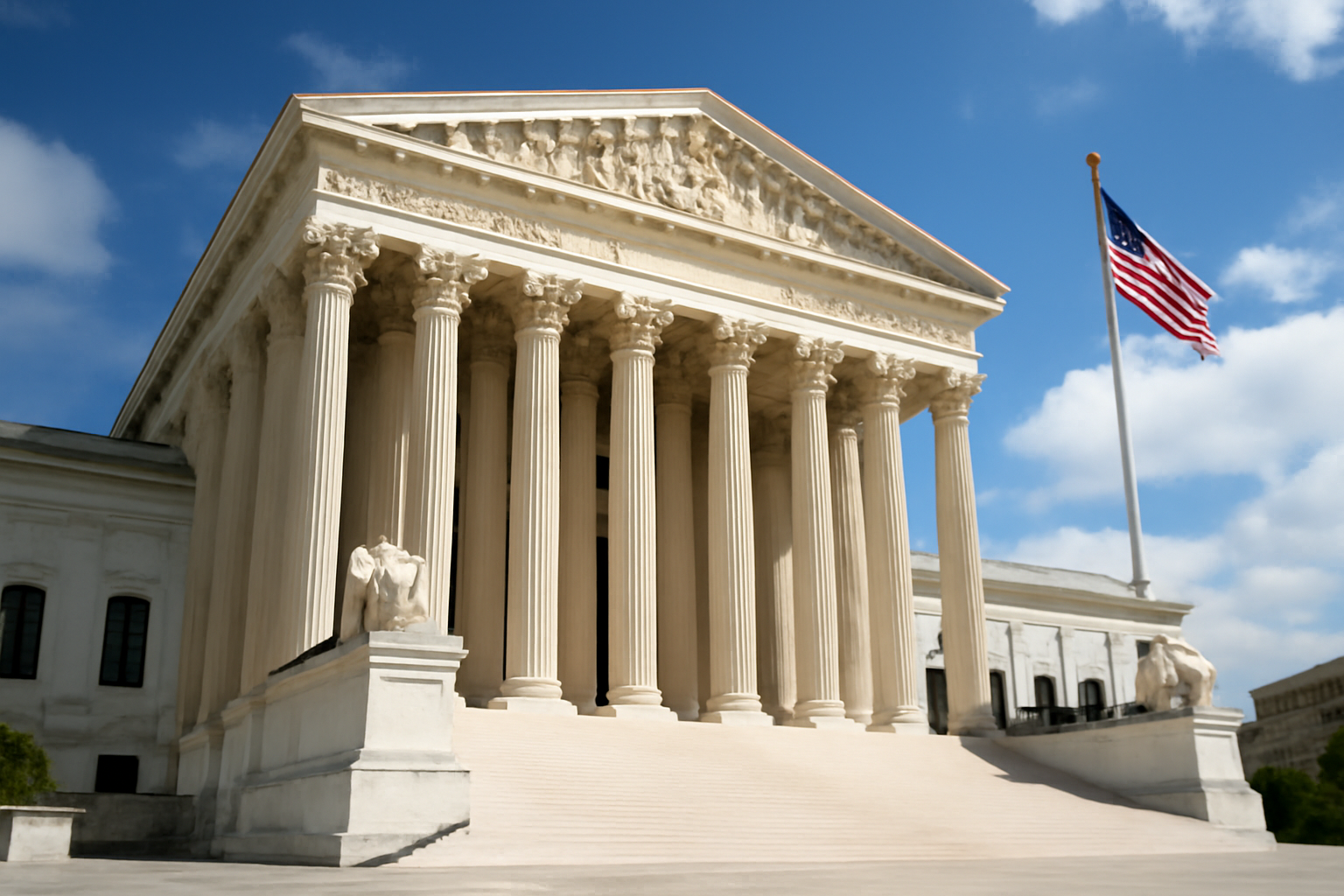
The Supreme Court has cleared the way for the Trump administration to use a modified voter verification database, according to a report from SCOTUSblog. The order means the administration can move forward with the program for now, though the version of the report available at publication did not include the vote count, the names of the justices in the majority, or the full legal reasoning behind the decision. Readers who want the underlying language should go directly to SCOTUSblog's coverage of the opinion, since the case docket and full opinion carry details a summary cannot.
What did the Supreme Court actually decide?
Based on SCOTUSblog's headline, the Court's order "clears the way" for the administration to proceed with the database — language that typically signals the justices declined to block the program or lifted an existing hold while litigation over its legality continues in lower courts. What is not yet public in the reporting reviewed for this piece is whether the ruling was unanimous, whether any justices dissented, or whether the Court addressed the merits of the underlying legal challenge versus simply ruling on an emergency request to pause enforcement. Those distinctions matter because an emergency-docket order is not the same as a final ruling on whether the database itself is lawful.
What is the "modified voter verification database"?
The source material reviewed here does not name the specific system, describe which federal or state records it draws from, or say which agency runs it. Voter verification databases are typically used by state election officials to check registration rolls against other government records — citizenship status, death records, or address changes — to flag names for review. Without the text of the opinion or additional reporting, it is not possible to say here which records this particular database checks or which states would be affected by its use.
How does this fit into the wider fight over election rules?
The ruling lands amid a broader national argument over how election rolls are maintained and verified. HTT News has reported separately that U.S. election fraud cases have been rising amid integrity concerns, a trend that has fueled political pressure for tighter voter-roll checks. Supporters of stricter verification argue that database cross-checks catch errors and prevent ineligible names from remaining on the rolls. Critics of expanded federal involvement in voter-roll maintenance argue that database matching can produce false flags that burden eligible voters and that election administration is constitutionally a state function. Both arguments are long-running and were not resolved or addressed in detail in the source material for this ruling specifically.
What happens next?
Because the Court's order clears the way for the administration to act, the practical next step is implementation — but the timeline, the states involved, and any further court challenges were not specified in the available reporting. Litigation over the database's legality could continue in lower courts even as the program moves forward. Readers should expect follow-up reporting from SCOTUSblog and other legal outlets once the full opinion is published and parsed.
What to watch
- Whether SCOTUSblog or other outlets publish the full text of the order, including the vote breakdown and any dissents
- Which states or election officials confirm they will begin using the modified database
- Whether voting rights groups or state attorneys general file new challenges in lower courts
- Any statement from the Department of Justice or the relevant federal agency describing how the database will be used
- Whether Congress holds hearings or introduces legislation in response
Where can readers verify this for themselves?
The most reliable path is the primary source. SCOTUSblog's report is the originating account of the Court's action and should be checked for updates as the opinion text becomes fully available. Readers interested in the constitutional backdrop — how much authority the federal government has over what is traditionally state-run election machinery — may also find useful context in Quote Conservative's explainer on federalism, which lays out the basic division of power at issue in disputes like this one.
This piece reflects an editorial judgment about what is confirmed and what remains unknown; it will be updated as more sourced detail on the ruling becomes available.
Questions
Did the Supreme Court rule on the merits of the voter database program?
The available reporting only shows that the order clears the way for the administration to proceed; it does not confirm whether the Court ruled on the underlying legality or simply declined to block the program on an emergency basis.
Which states are affected by the modified voter verification database?
The source material reviewed for this report did not name specific states or describe the database's scope.