business
Supreme Court Denies Custodia Bank's Appeal Against the Fed
Opinion.
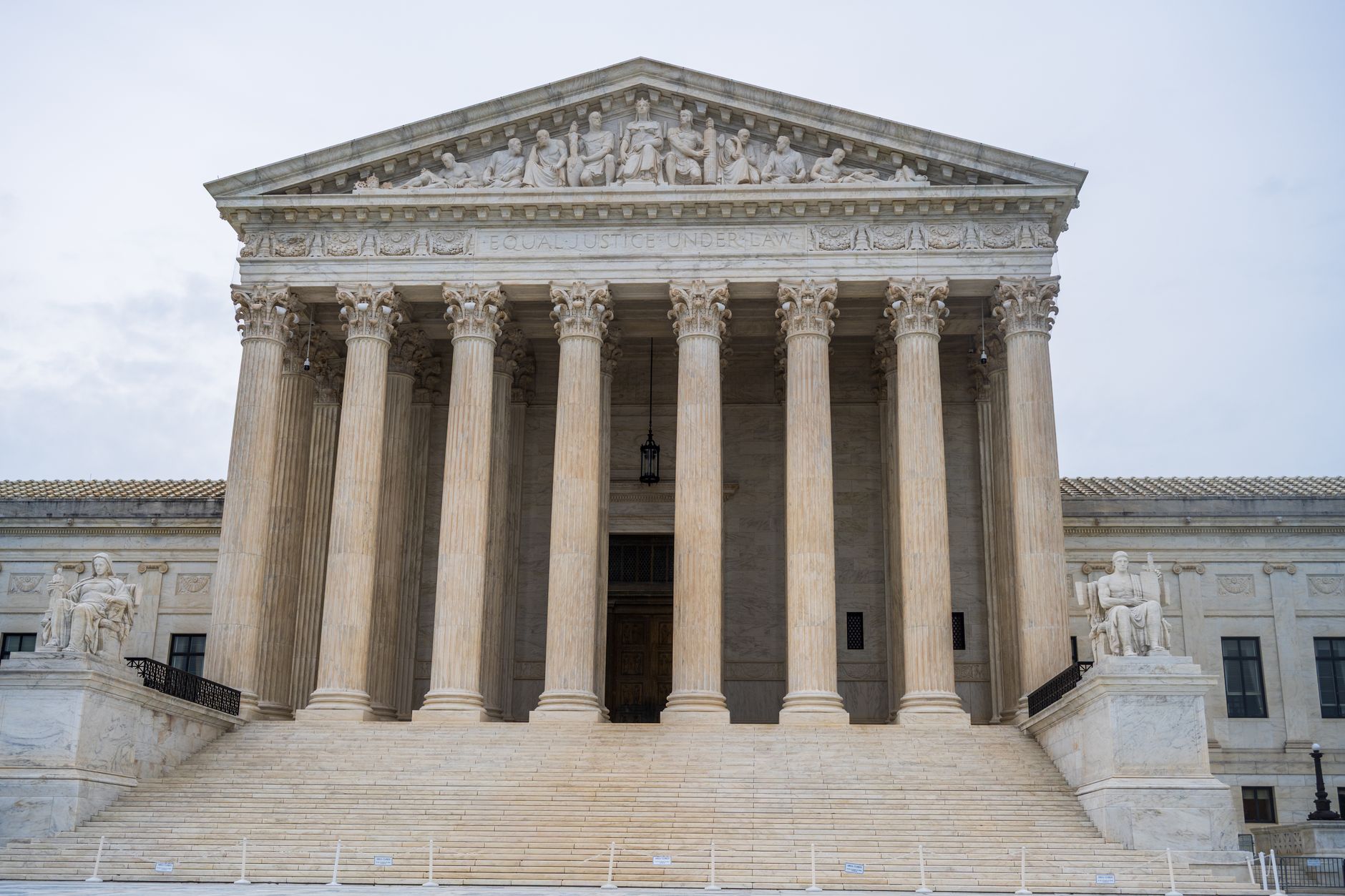
The Supreme Court has declined to hear Custodia Bank's appeal in its fight for a Federal Reserve master account, a denial that leaves the lower court's ruling against the Wyoming-chartered digital-asset bank in place and closes out the case, American Banker reported.
What did the Supreme Court actually decide?
The justices did not rule on the merits of Custodia's claim. A denial of certiorari simply means the Court will not hear the case, and the decision below stands as the final word. American Banker's headline captures the practical effect plainly: "Supreme Court denies Custodia's appeal, ending legal battle." That is the entirety of the confirmed record here — no opinion, no dissent, no stated reasoning, because none is required when the Court declines review.
Who is Custodia Bank, and what was it fighting for?
Custodia is a Wyoming-chartered bank built around digital-asset custody, and its central demand was access to a Federal Reserve master account — the kind of account that lets a bank move money directly through the Fed's payment rails rather than through a correspondent bank. The Fed denied that access, and Custodia sued. Lower courts sided with the Fed's discretion to make that call. The Supreme Court's refusal to take the case ends that road for Custodia specifically, though American Banker's report does not state what, if anything, the bank plans next.
Why does a master account matter enough to litigate over?
A master account is not a courtesy; it is the plumbing. Without one, a bank depends on another chartered institution to clear payments, pay fees for that privilege, and accept the risk that the correspondent bank can cut it off. For a state-chartered institution built around an asset class the Fed has treated warily, that dependency is existential in a way it would not be for a conventional community bank. The Fed's position throughout has been that it retains discretion over who gets direct access to the payment system — a position the lower courts upheld and the Supreme Court has now let stand by declining to weigh in.
"Supreme Court denies Custodia's appeal, ending legal battle." — American Banker
Why should this decision get scrutiny rather than a shrug?
A cert denial is often read as a non-event, but it is not a neutral one. It leaves a single regulator — the Federal Reserve — with the final, unreviewed word on whether a state-chartered bank gets access to the national payment system, with no Supreme Court guidance on the limits of that discretion. That is precisely the kind of state-versus-federal friction readers of Quote Conservative's federalism explainer will recognize: a state issued a charter, and a federal body decided the charter did not entitle the holder to the infrastructure that makes a bank function. The Court had a chance to say whether that is how the system is supposed to work. It said nothing at all, and silence is not the same as an answer.
What happens to Custodia now?
The confirmed facts stop at the headline: the appeal is denied, and the legal battle is over, per American Banker. What is not in the record here is any statement from Custodia, the Fed, or the lower courts about next steps, remaining options, or whether other state-chartered institutions face the same wall. Readers should treat anything beyond that as speculation until Custodia or the Federal Reserve says otherwise on the record.
Glossary
Master account — A Federal Reserve account that lets a bank move funds directly through the central bank's payment system, rather than through a correspondent institution.
Special purpose depository institution (SPDI) — A state bank charter, used by Custodia, built for narrow activities such as digital-asset custody rather than full-service lending.
Certiorari denial — A Supreme Court decision not to hear a case, which leaves the lower court's ruling as the final judgment without creating new Supreme Court precedent.
Questions
Did the Supreme Court rule on the merits of Custodia's case?
No. The Court denied certiorari, meaning it declined to hear the case, which leaves the lower court's ruling in place without a Supreme Court opinion on the underlying dispute.
What was Custodia Bank trying to get from the Federal Reserve?
Custodia sought a Federal Reserve master account, which would let it move funds directly through the Fed's payment system instead of relying on a correspondent bank.